Recycled content
The economic benefits of circularity: building your business case
Assess the costs and benefits of reuse, repair and material recovery with a business case that includes logistics, quality, investment and real demand.

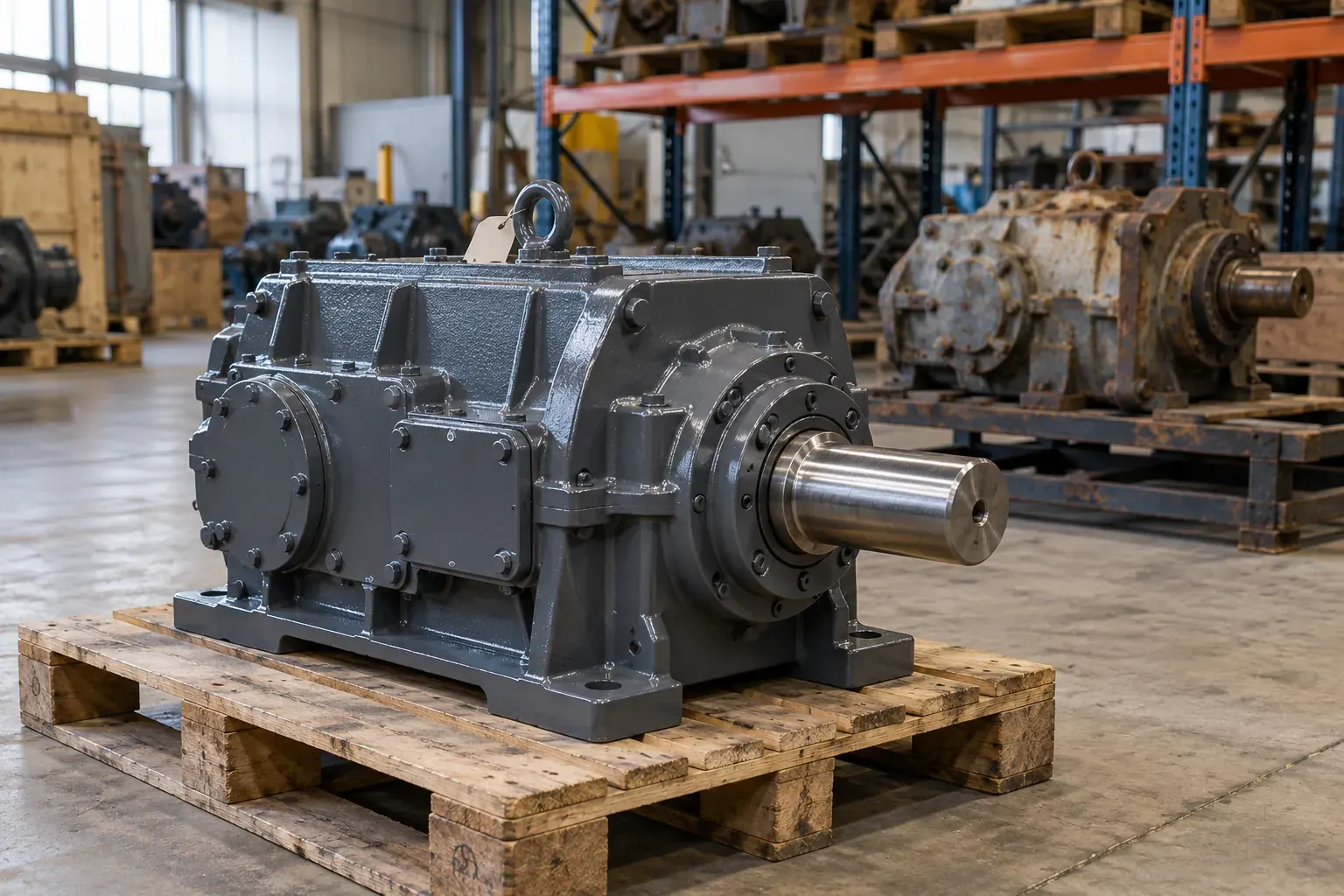
Reuse, repair and material recovery can change the economics of a product or waste stream. The useful question is where they create value for your business after collection, processing and quality costs. This guide explains how to test that case without treating economy-wide forecasts as guaranteed company savings.
The aspect of economy is often overlooked or infrequently mentioned, even though a circular economy is an economic model in and of itself. In tandem with circularity, the economic component is the base while circularity is the methodology. Furthermore, sustainability and circularity are advantageous for companies not only for environmental reasons, but also for economic purposes. Therefore, in this blog post, we cover the economy from a variety of angles including:
- The challenges that a circular economy could help ease and/or eradicate
- The marked fiscal benefits for the overarching economy
- The advancement of the job market
Together, these points demonstrate that a circular economy is worthwhile at all levels of society from the general economy and companies to the job market and resources.
For more information on not only the economics, but practical applications for businesses in relation to a circular economy, download the guide The Circular Economy: Practical Applications & Benefits for Businesses
Bumps in the (Economic) Road
While there are numerous benefits, it is crucial to understand what pressure points a circular economy could alleviate in the wake of a linear economy. As put by Naturklima, some of the major points driving the push for a circular economy comes from the desire to move away from the shortcomings involved in a linear economy including:
- Economic losses among companies as result of volatile resource prices and unpredictable availability
- Increased regulations set by the European Union, nations and local governments as a direct result of the wastefulness of a linear economy
- The costs of waste management and treatment
To read more about the legal framework and regulations from the EU, download our guide CSRD cheat sheet and check out our blog post The Push for Circularity: Making Circularity in Retail Possible to get started.
Looking closer at the area of resources, according to the European Environment Agency, the implementation of a circular economy has the potential to minimise Europe’s “high and increasing dependence on imports” considering that the dependence on imports could be a point of vulnerability for Europe in the future. Additionally, it should be noted that the increase in competition globally for “natural resources has contributed to marked increase in price levels and volatility.” The aim of a circular economy, as put by het groene brein, is to “decouple economic growth from the consumption of raw materials.” Closing loops and becoming less dependent on the extraction of raw, virgin materials help create more stability for companies and markets.
Furthermore, waste management and recycling itself under a circular economy is different from that of a linear economy. For example, the perception of waste is encouraged to be transformed and to be seen as a valuable resource – in the case of companies, the shift from viewing waste as a cost centre to making it a profit centre. In doing so, a circular economy has the potential to allow companies to:
- Safeguard the supply of materials
- Develop new products from reclaimed materials
- Discover ways to recover unusable material rather than discard it
- Employ innovative approaches to adapt product design to the availability of materials
- Extract value from resources by selling to those who require them
- Save money
If done correctly and mindfully, waste can be regarded as a business asset rather than a burden to be taken care of. As put by George Barrett, Sustainability & Circular Economy Manager at John Lewis & Partners, in the webinar The Circular Economy & Retail: From Theory to Practice, “Waste is a resource that has fallen into the wrong hands.”
The Financial Future is Bright
Going beyond pressure points in which a circular economy could help relieve and erase, there are a variety of economic benefits associated with a circular economy. For example, as put by the European Environment Agency, circularity “could result in considerable cost savings, increasing the competitiveness of Europe’s industry while delivering net benefits in terms of job opportunities.”
The 2015 Growth Within report modelled a circular development scenario for Europe through 2030. It was a scenario, not a measured result or a forecast of savings for an individual business. For a company-level case, examine:
- Avoided material purchases and realistic recovery revenue
- Collection, transport, sorting and processing costs
- Quality losses, rejected material and working capital
- Investment, training and the time needed to reach a viable scale
Build low, central and high scenarios for return volumes, yield and selling price. Use pilot results to revise the assumptions. A programme that relies on unusually high prices or perfect returns needs further testing before investment.
Encouraging News for the Workforce
Repair, refurbishment and recovery may require different skills from the current operating model. Include staffing, training and worker safety in the implementation plan. Economy-wide job scenarios do not establish how many jobs an individual project will create.
For example, a circular economy will not only increase the demand for new, green jobs, but also the development of more recognizable, already existing careers and how they operate. As put by Circle Economy, there are three categories for circular jobs:
- Core circular jobs: jobs which close raw material loops, including those involved in repairs, renewable energy, waste and resource management (i.e., appliance technician, recycling operative, etc.).
- Enabling circular jobs: jobs that break down obstacles and enable the expansion and upscaling of core circular activities, such as those emerging from leasing, education, design and digital technology (circular equipment engineers, teachers, demand planners, etc.)
- Indirect circular jobs: jobs that support the circular economy in an indirect manner (bankers, couriers, etc.)
Together, the enabling circular jobs serve as the supportive shell for the core circular jobs to not only to develop, but to thrive while the indirect circular jobs, with the adoption of circular principles into their operations, utilise the services of core circular jobs (i.e., a post office using second hand bikes to deliver mail).
Overall, each category not only serves its purpose and helps the other categories, but they also all strive for a collective goal of circularity, enabling innovation and job development.
It All Adds Up
Overall, a circular economy is intended to benefit everyone – and things – involved. This is accomplished via methods of:
- Providing security in the availability and retention of materials
- Enabling for the revaluation and valuation of materials once deemed to be waste
- Fostering economic growth and prosperity at scale
- Developing an environment for job creation and development
Circularity can create economic and environmental benefits where a viable route exists. Evaluate both with clear boundaries and evidence, and be prepared to change the design when logistics, quality or demand undermine the original case.
Follow the thread
Keep the ideas moving.
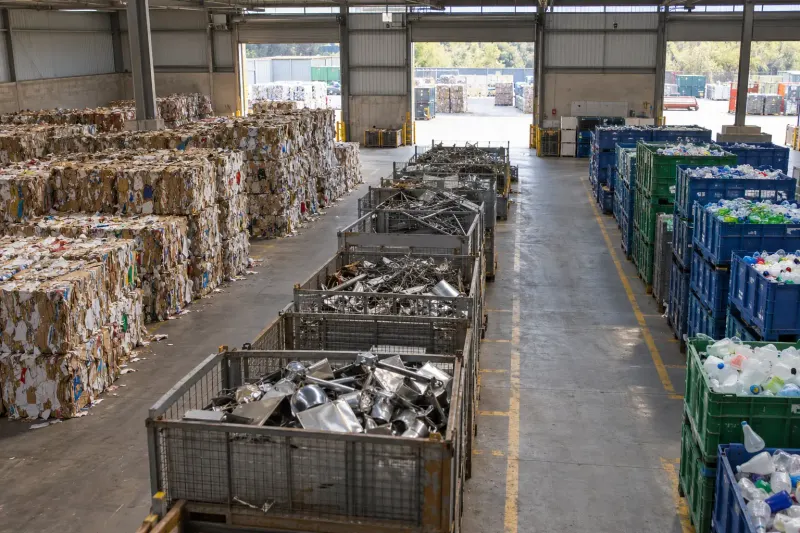
Beyond Recycling: The Global Circularity Protocol in Practice
How can businesses actually measure circularity in practice? We explore the Global Circularity Protocol (GCP), operational material flows, circularity KPIs and why AI-powered systems are becoming essential for scalable circularity measurement.
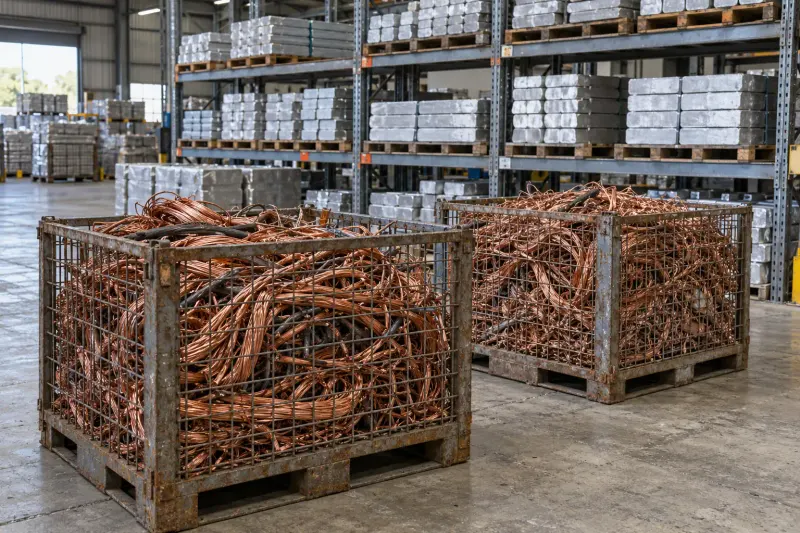
Circularity and raw material risk: building a resilient supply
Explore how take-back, reuse and recycling can reduce exposure to raw material volatility, and what to check before investing in a circular supply chain.
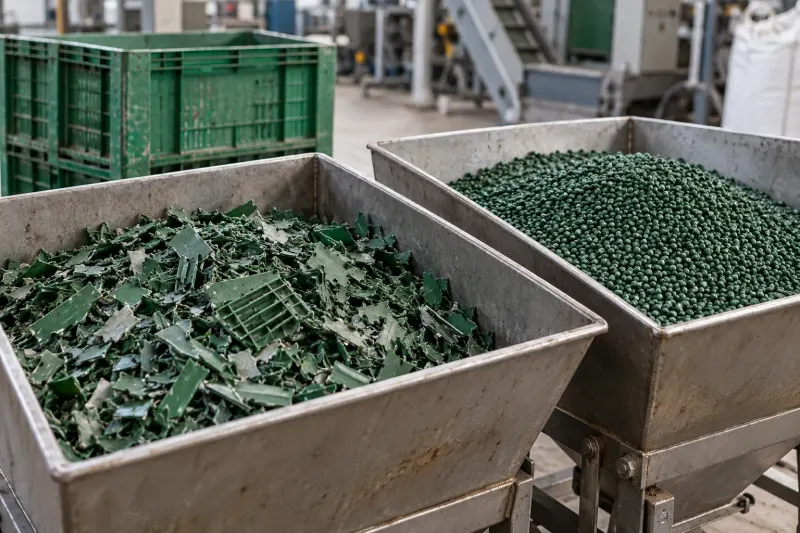
Find value in your waste: Circularity Benefits in Business
There are numerous benefits for businesses when it comes to a circular economy from financial advantages and finding value in waste