Every step of your device take-back programme, connected.
From collection and logistics to recycling and reporting, Resourcify connects every step of your take-back programme. Launch new programmes, expand existing ones or improve individual operations with the software, partner network and operational support you need.



Collected for recovery
Chain of custody for every device
A take-back offer under your brand
The business case for circularity in MedTech
Take-back pays back through the value it adds to your business: more material recovered, a closer relationship with every hospital after the sale, and more business won in hospital tenders.
- EOL material recovery rate
Recover more material from every device
Devices go to certified recyclers matched to their material, and recovery is reported per shipment, site and market.
- Hospital customer retention
Stay in contact with every hospital after the sale
Take-back keeps you in regular contact with each hospital after the sale, through collections and the recovery reports you share with them.
- Hospital tender score
Stand out in hospital tenders
A documented take-back programme under your brand, with evidence for every shipment, to include in hospital tender responses.

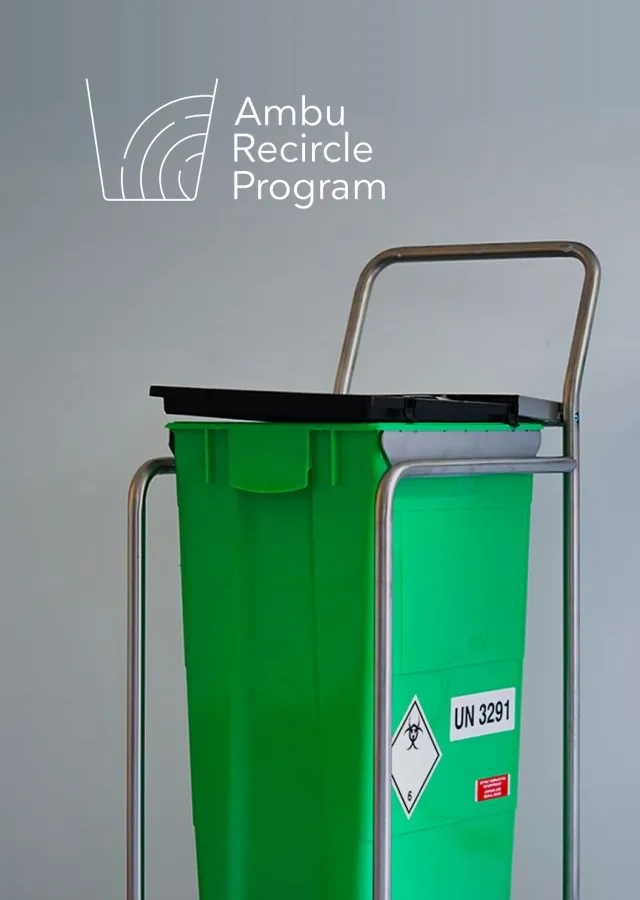
Ambu Recircle: take-back for single-use endoscopes, now in four countries
Ambu launched the Ambu Recircle Program in 2025 to give hospitals a structured, compliant way to return used single-use endoscopes for recycling. Hospitals are supported from onboarding and training to collection, recycling and reporting, and see the devices collected. Resourcify provides the software and the recovery partner network behind the programme.
- ~50
- hospital sites
- 140+
- clinical departments
- 4
- countries: DE, FR, UK, US
- 1M+
- devices: Ambu’s collection target for 2030
Resourcify enables Ambu to scale circularity initiatives that align with our commitment to sustainability, ensuring we deliver value to our customers while leading the way in responsible business practices and future-proofing our business.
Saga Ekman, Sustainability Manager, Ambu
Programme figures as published by Ambu, June 2026.
Recover more value from your devices at end of life
Take-back programmes extend your relationship with hospitals beyond the point of sale. By offering a responsible, sustainable and fully traceable end-of-life solution, you create additional value for your customers, differentiate your brand and strengthen your position in hospital tenders.
Explore the types of take-back and recovery programmes Resourcify can help you design, orchestrate and track.
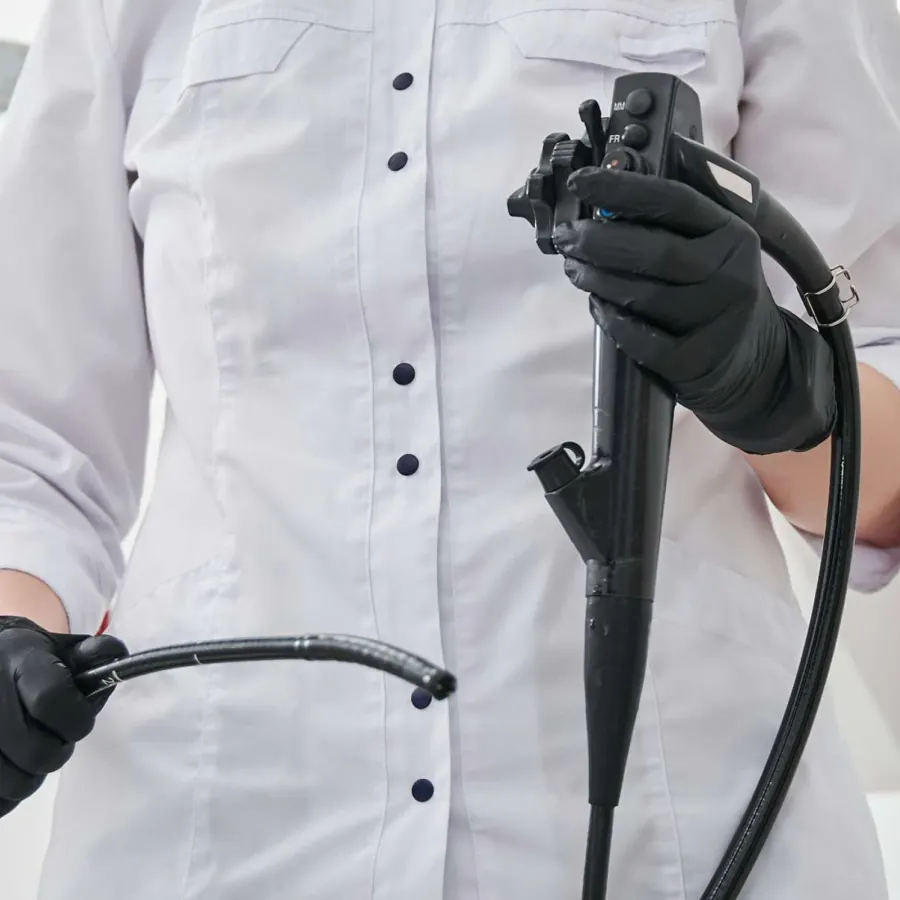
Endoscopy
Single-use endoscopesBronchoscopesEndoscopy accessories
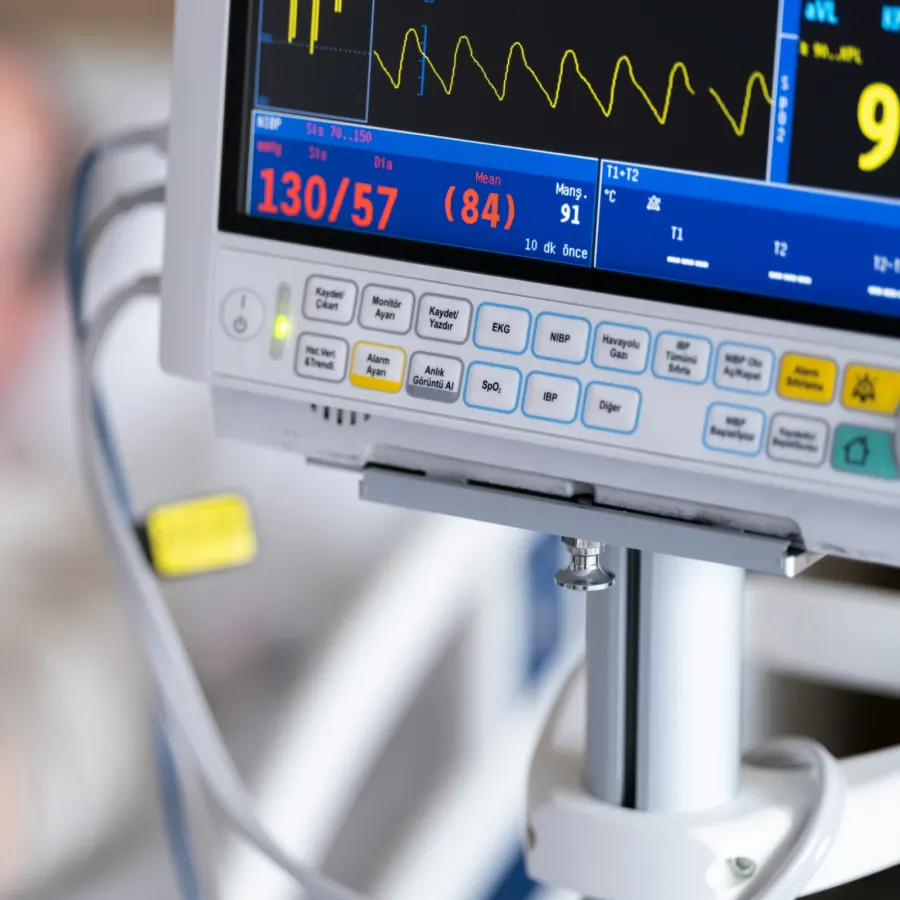
Patient monitoring
Pulse oximetersECG electrodesBlood pressure cuffsThermometers
Infusion and vascular access
IV setsInfusion pump setsPICC and central linesContrast injector tubing
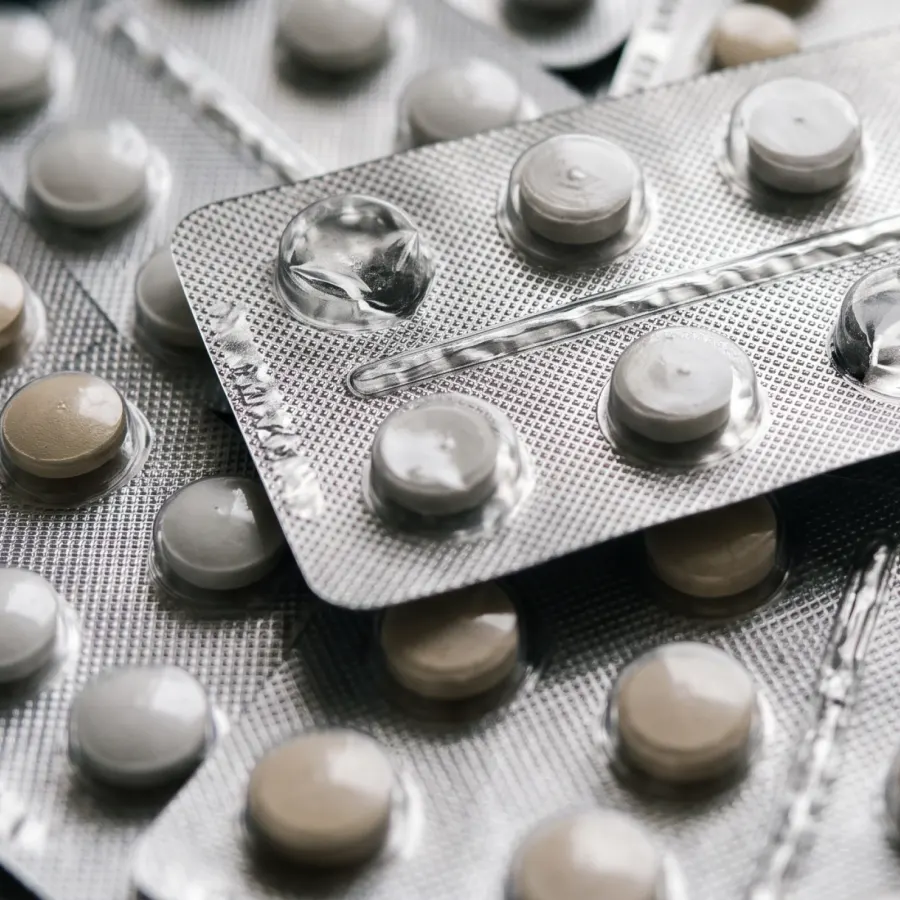
Sterile and medicine packaging
Suture foilsSterile pouchesBlister packsSterilisation containersSurgical trays
Inhalers and home-care devices
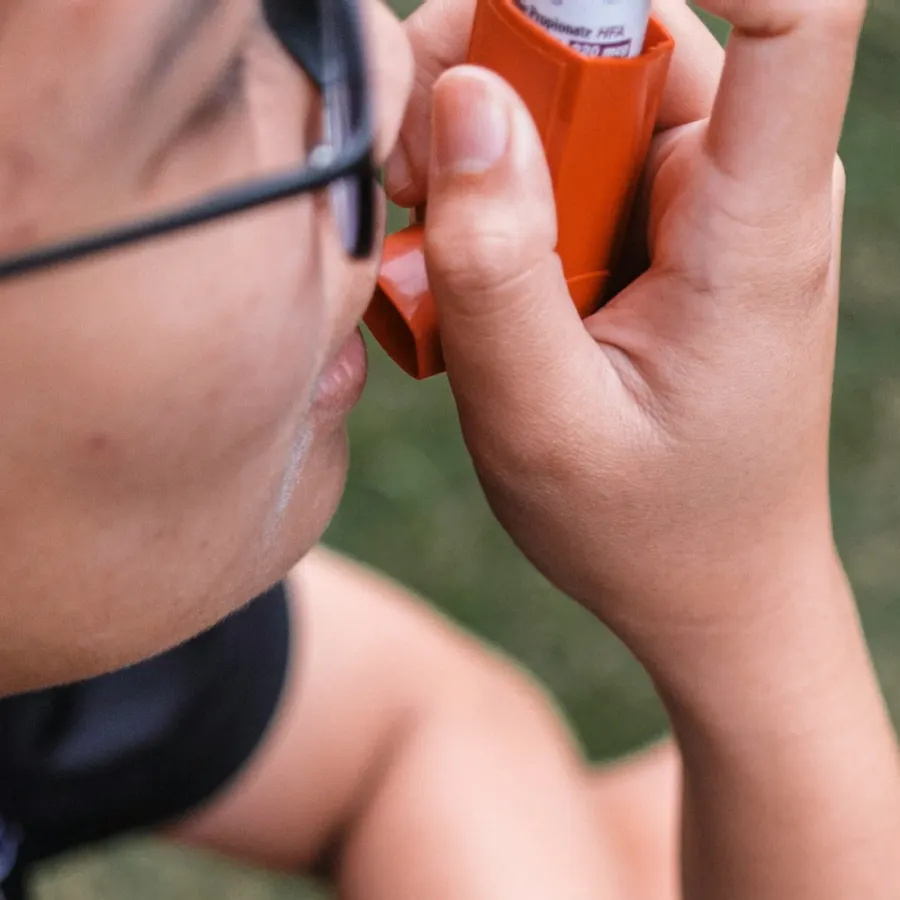
InhalersInsulin pensInsulin pumpsHearing devices
Surgical and laparoscopic instruments
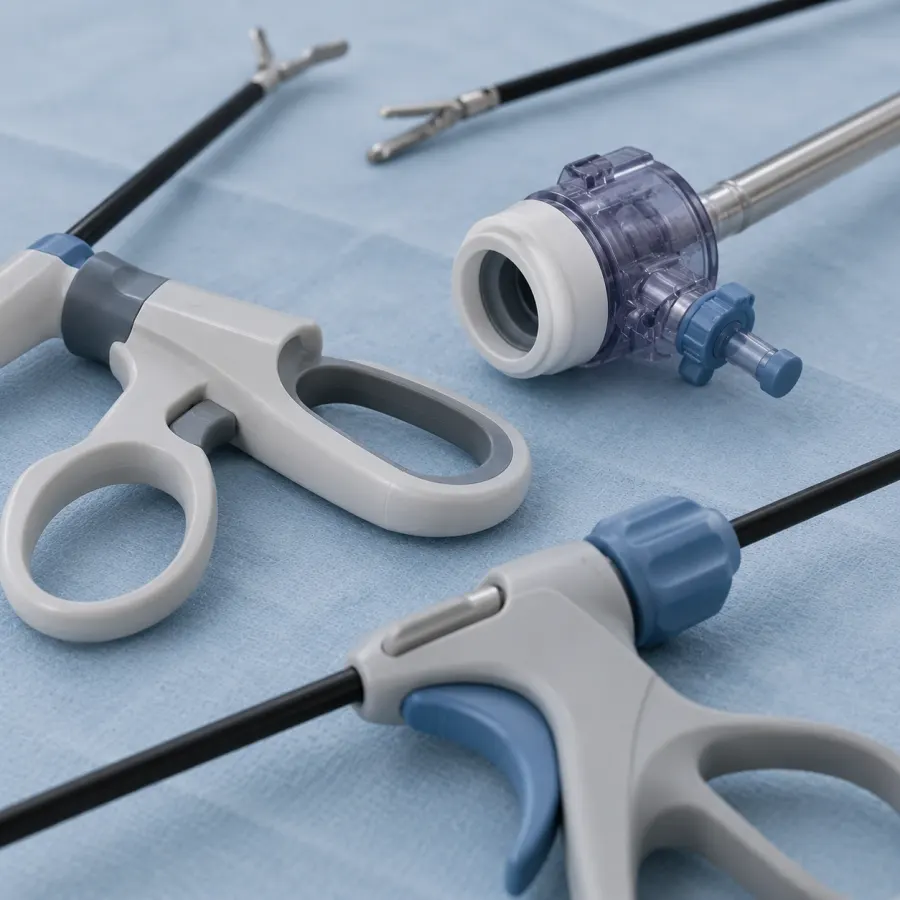
Surgical staplersTrocar setsVessel sealersUltrasonic scalpelsElectrosurgical pencils
Cardiology and electrophysiology
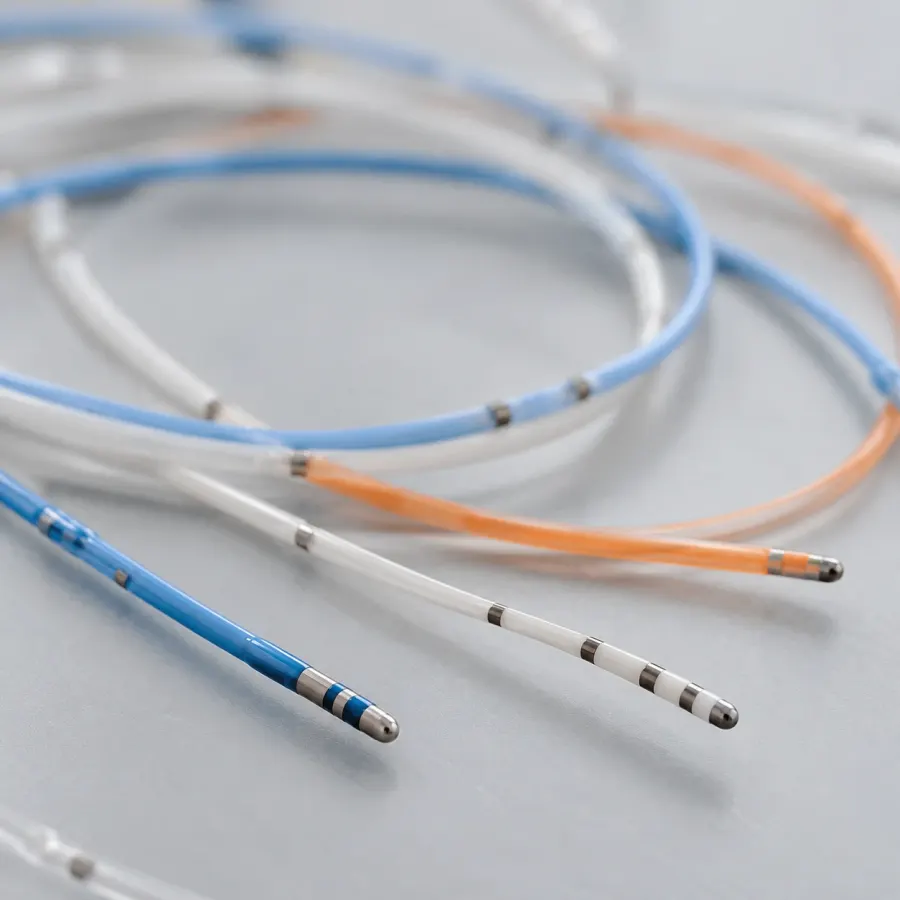
Ablation cathetersMapping cathetersBalloon cathetersTAVR catheters
Anaesthesia and respiratory
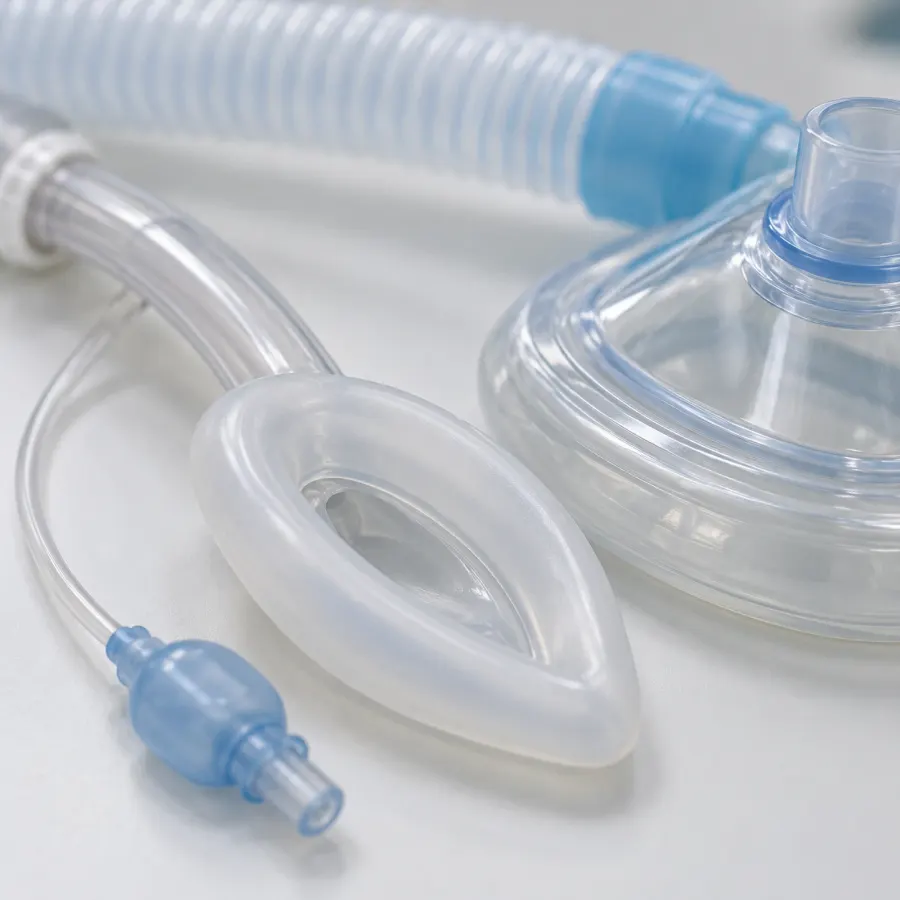
Laryngeal masksEndotracheal tubesAnaesthesia circuitsBreathing filtersCPAP masks
From used devices to recovered value
Resourcify connects every step of your take-back programme, from collection to recovery. We coordinate hospitals, logistics and certified recycling partners across markets, while tracking every shipment in our software. You get a consistent, scalable process with full visibility into where your devices go and what happens to them.
- Traceability
- Proof
Simple collection at the point of use
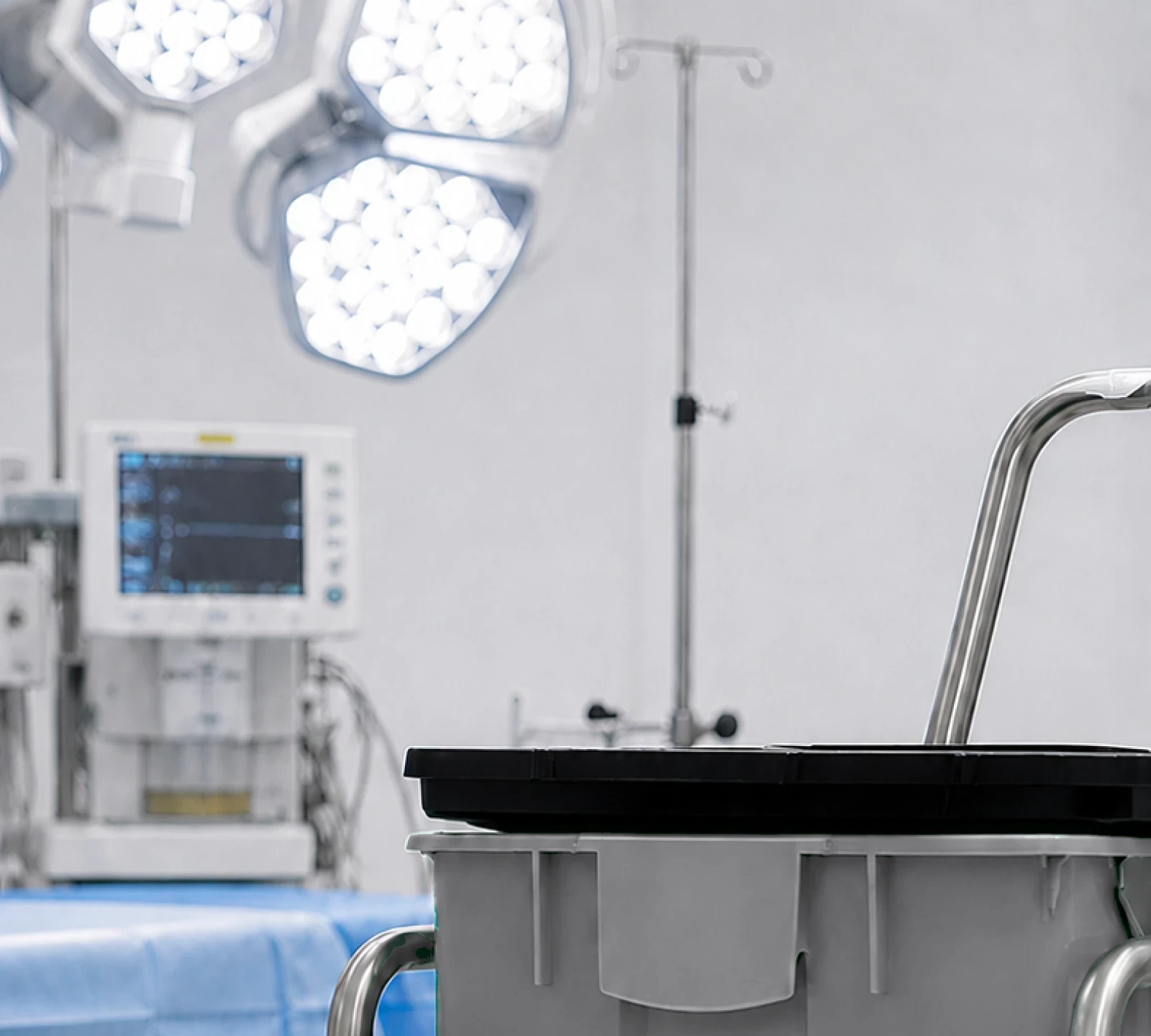
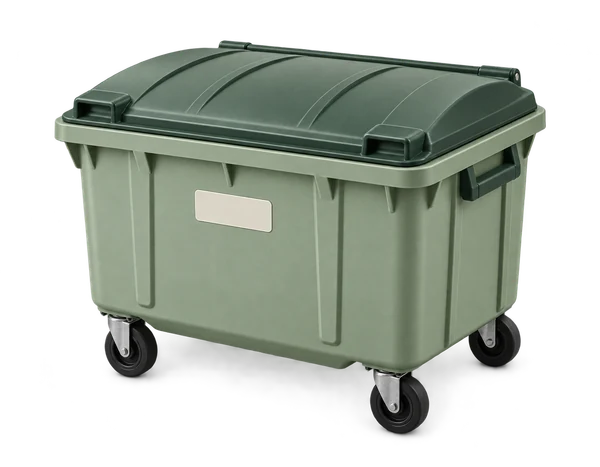
Hospitals place used devices in dedicated take-back containers, directly in operating rooms, endoscopy suites or other departments. No complex new workflows for clinical teams.
Seamless pick‑up and transport
Once full, containers are sealed, labelled and collected by approved logistics partners. Hospitals request collection via QR code, while Resourcify coordinates the journey to the appropriate treatment facility.
Every shipment accounted for
At the treatment facility, deliveries are weighed and checked against the shipment records, by batch, device type or individual device, depending on what the programme needs. That gives you a reliable record of what has been returned.
Materials recovered for new use
Devices are decontaminated where required, at the hospital, by the logistics partner or at the treatment facility, before they are processed and separated into recoverable material streams. Plastics and metals then go to the appropriate recycling routes.
Recovery results you can prove
Every shipment closes with documented recovery results and certificates. Data is consolidated across hospitals and markets, providing evidence for sustainability reporting and hospital tenders.
The Post-Consumer report follows the actual product layout: operational metrics and participating locations, an engagement trend and participant ranking, monthly returns by programme, and a product-type treemap. Fictional figures show 3 programmes, 48 pickups, 32 participating locations and 240 returned products: 160 containers, 60 servo motors and 20 inverters. The monthly series totals 240 products.
A site requests a collection. The contractor confirms a date. The weighing slip and invoice stay with the collection record.
 NW-0084
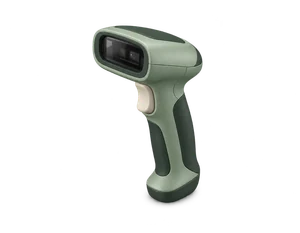
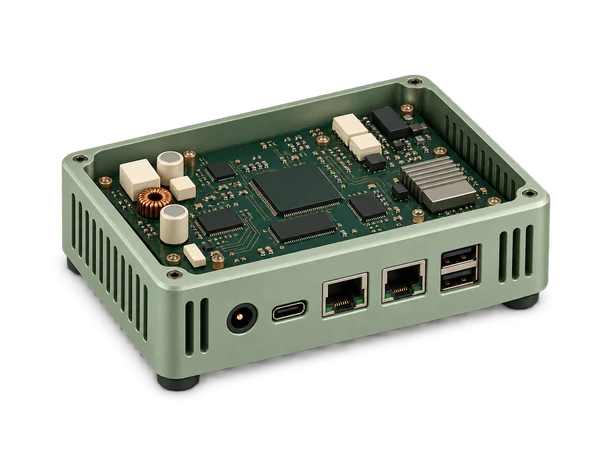
An illustrated physical delivery arrives at Northwind Hub. A desktop workstation identifies return NW-0084 through an item scan. A separate mobile route scans the QR on container CT-0084 to open Receive goods and the linked return. Either receiving method leads to the same confirmed 38 kg receipt in Electronics Return Bay, preserving the Munich origin and item identity. The scenes are simplified from the actual Goods-in, mobile Receive goods and Material Flow Board screens. All records are fictional.
Partners submit priced recovery offers and terms. Your team compares the line items and selects a combination for review. The fictional combined offer is 340 euros net; it is not automatically awarded.
Two documents are matched to collection NW-1042. The collection, receipt and output retain their source records. Fictional figures show 2,400 kg received, 2,160 kg recovered and 240 kg recorded loss. Reports cover annual, waste, post-consumer and supply-chain areas, with a PowerPoint export for management presentations.
Simulate your programme before committing
Start from your device sales: map where your devices are used, the hospital customers that would return them and the recovery partners that could take them. Compare direct routes with consolidation hubs and see how volume and distance change the business case before anything moves.
 Northwind · DemoNW
Put the whole return network on the map.

Find the partners that fit the material.
Compare direct routes with regional hubs.
Individual site collections
Consolidated recovery volumes
See when recovery starts to pay.
Illustrative copper scenario · transport and processing included
Map sites and a recovery partner, add a possible consolidation hub, compare the direct and hub routes, then review recovered value against the transport and processing assumptions.
- Device sales, hospital customers and recyclers on one map
- Direct routes compared with consolidation hubs
- Recovered value against transport and processing costs
Get ahead of growing expectations for circularity in MedTech
Hospitals, regulators and sustainability teams are placing greater emphasis on what happens to medical devices at end of life. Resourcify helps you recover more material value, reduce costs and strengthen customer relationships through scalable take-back and recovery programmes, with the transparency, traceability and auditable data to demonstrate impact and meet reporting requirements.
- Since 2021MDRDevices must be designed for safe disposal after use, with disposal procedures tested by the manufacturer and described in the instructions for use.
- Since 2022NHS supplier roadmapA 10% net zero and social value weighting in every NHS tender; global emissions reporting from 2027 and product carbon footprints from 2028.
- Aug 2026PPWRApplies EU-wide. Outer and transport packaging of devices is in scope; sterile-barrier packaging is exempt for now, with reviews due in 2028 and 2035.
- Nov 2026California SB 253Companies with over $1bn revenue doing business in California report Scope 1 and 2 emissions from 2026 and Scope 3 from 2027.
- FY 2027CSRDCompanies with more than 1,000 employees and €450m turnover report sustainability data for financial years from 2027; first reports in 2028.
Under the Medical Device Regulation, recovered material goes to other industries as secondary raw material. Your reports show where it went.
Summary for orientation, not legal advice.
Start with one device, then scale on the same setup
- Today
Exploration
We choose the first device, hospitals and countries with you, and check classification and recovery routes.
- Next
Simulation
Your take-back process mapped end to end: partners, material flows and the business impact case, before anything moves.
- Then
Pilot and roll-out
A pilot with a few hospitals, then more sites, devices and markets on the same setup.
Questions MedTech manufacturers ask us
Do we need our own recycling team?
No. Resourcify brings the certified recovery partners, carriers and software. You decide how much your team runs itself and where our operations team supports you.
How are used and contaminated devices handled?
Each take-back programme defines what goes into the container and what stays in clinical waste. Decontamination is planned as part of the route, at the hospital, by the logistics partner or at treatment, and classification, transport and treatment are checked per country before launch, with certified partners.
How do we know the devices were really recycled?
Each shipment is confirmed at pick-up, weighed and checked against the shipment records at the level the programme needs, from batch to individual device, and confirmed at processing. It closes with documented recovery results and a certificate you can share with hospitals.
Can recovered material go back into our devices?
Not under the MDR as it stands. It goes to other industries as secondary raw material, and the report shows where.
What do hospitals have to do?
Fill the containers and request pick-ups. We configure the process per site and agree roles with each hospital at the start.
Which countries do you cover?
Take-back programmes run across Europe and the US, with recovery partners selected per country and material.
Will it cost more than disposal?
Disposal cost is one part of the picture. A take-back programme is best judged on its overall value: recovered material, stronger hospital relationships, a better position in tenders and the data for your reporting, set against collection, logistics and processing. The simulation models all of this for your devices, so you see the full business case before you commit.
Bring one device, and we’ll sketch its take-back route.
In the first conversation we look at one device or packaging stream and outline the recovery route, the partners and what a simulation would answer.