Uncover and recover the value in your end-of-life packaging.
From PET bottles and stretch film to cardboard, pallets and crates, Resourcify connects collection, recycling and reuse of the packaging that passes through your stores, warehouses and plants. Every partner’s documents come together in one place, so you can see how much material went where and what came back.


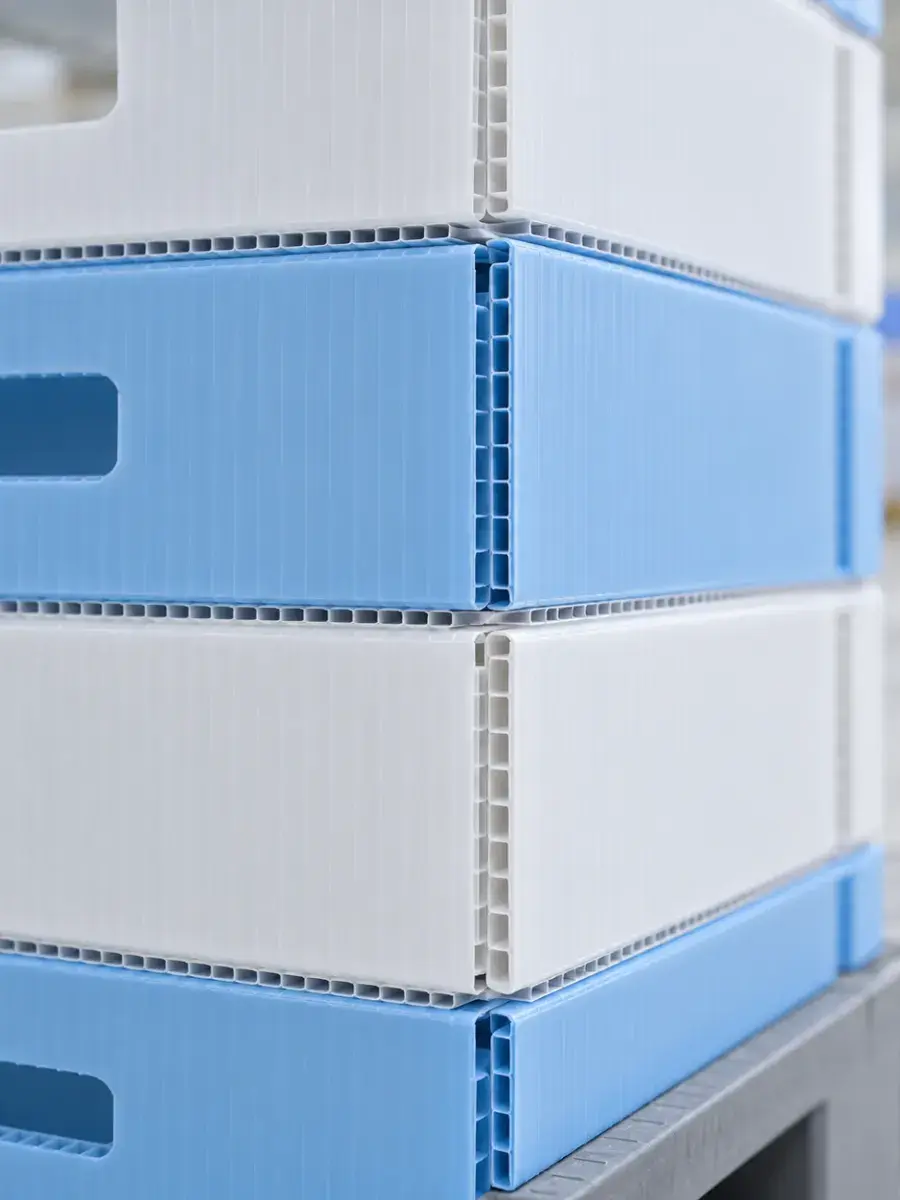
Collected at your sites
Documents from every partner
Back as recycled material
- 95%
- of the material value of plastic packaging is lost to the economy after one useEuropean Commission, 2018
- 15%
- of the plastic processed in Germany is recycled materialUmweltbundesamt, 2023
- €1,000–1,500
- a tonne: recycled PET traded above virgin PET in 2022European Commission, 2022
The business case for packaging loops
Packaging is often the largest and most predictable material stream a company has: PET bottles and film from retail logistics, cardboard from every store, trays and crates from production. Brought back into your own supply chain, it can be worth more than any disposal contract, but only if you can show where the material went across recyclers, converters and fillers. Most teams track that in spreadsheets today.
- Packaging recovery rate
Keep the value of your packaging material
Clean single-material streams such as PET, LDPE film or cardboard are sold or looped back at their material value, instead of disappearing into a disposal contract.
- Material in the loop
Know how much went where
Delivery notes and weighing slips from every partner in the loop come together in one material account, so the mass balance is no longer rebuilt in a spreadsheet each month.
- Reusable packaging share
Get ready for the PPWR
The PPWR sets reuse, recycled-content and recyclability targets from 2030. Records per stream, site and year show what you collected, reused and recycled.
Packaging streams worth looping back
Single-material packaging with steady volumes is the easiest place to start: PET bottles, film and cardboard from retail and logistics, trays and crates from production. Mixed packaging can follow once a route is running.
See which packaging streams you could bring back.
PET bottles
Deposit bottlesBottle balesPET flakes
Stretch film and foils
LDPE stretch filmShrink filmBags
Cardboard and paper
Cardboard balesShipping boxesPaper inlays
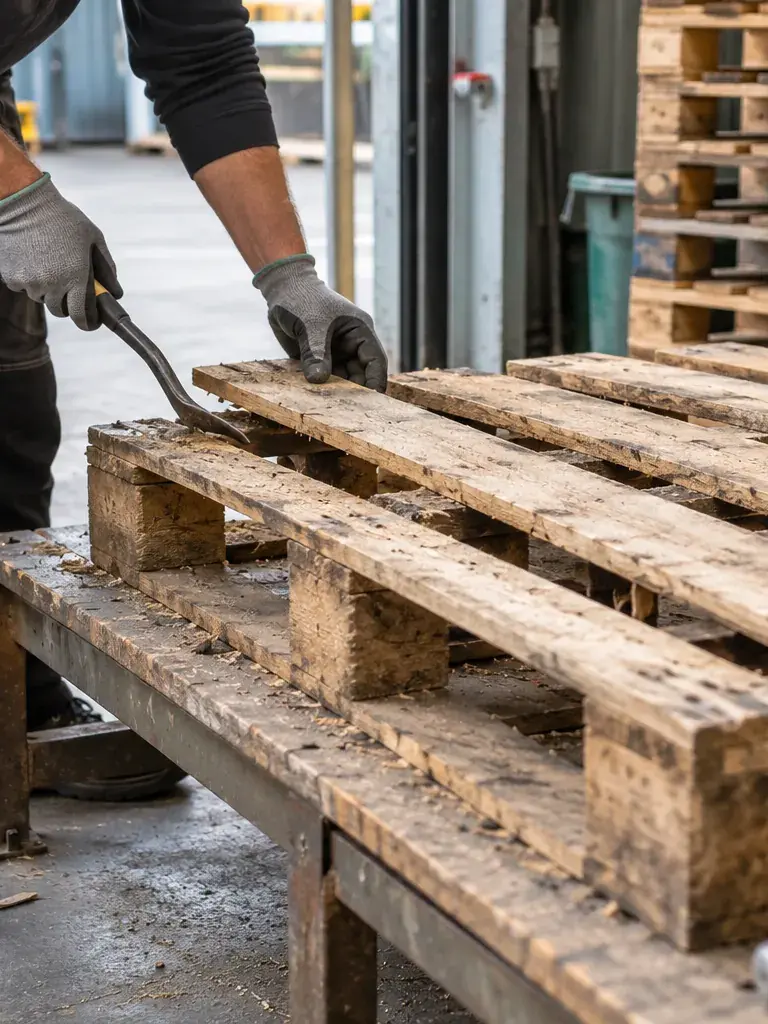
Pallets and crates
PalletsCratesReusable boxes
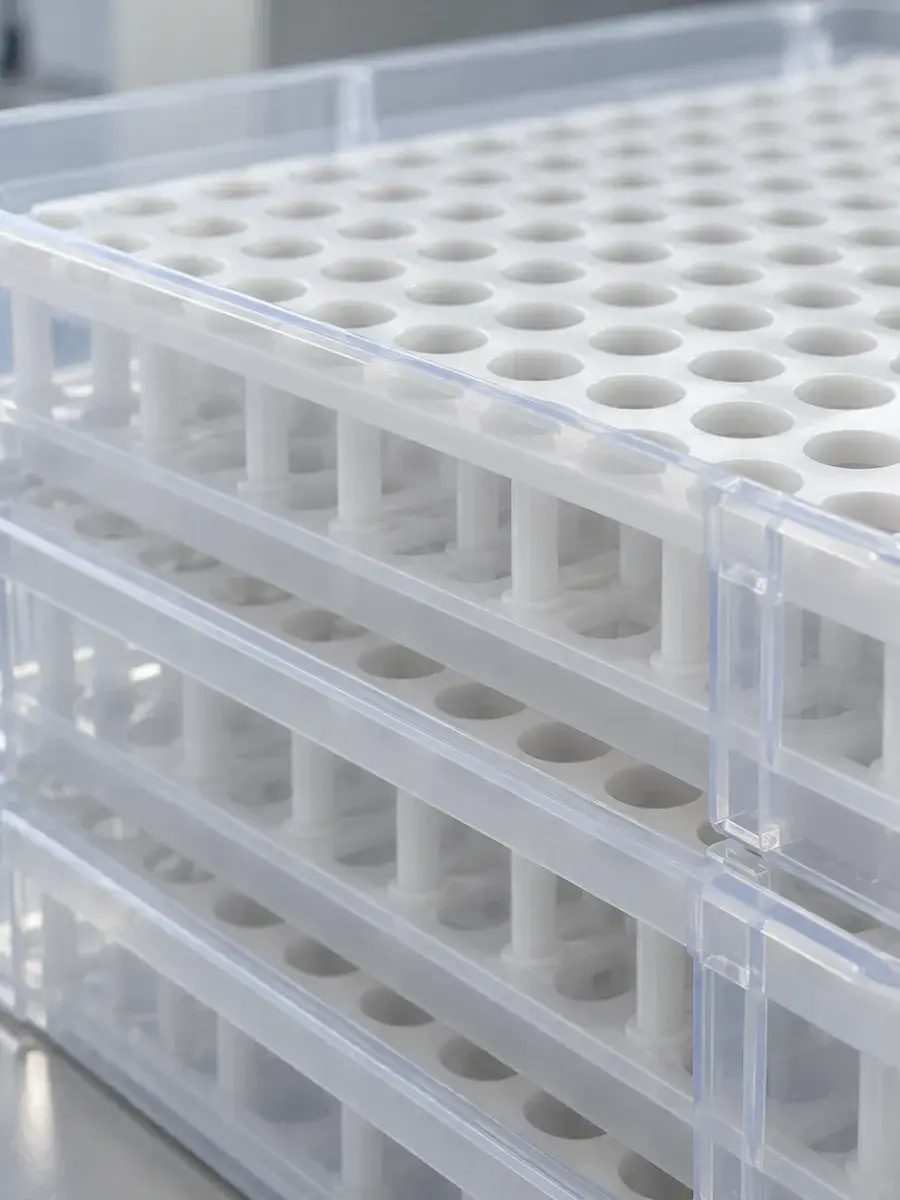
Trays and production packaging
PP traysNests and tubsInterleaves
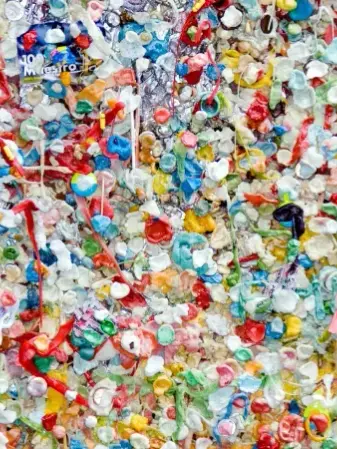
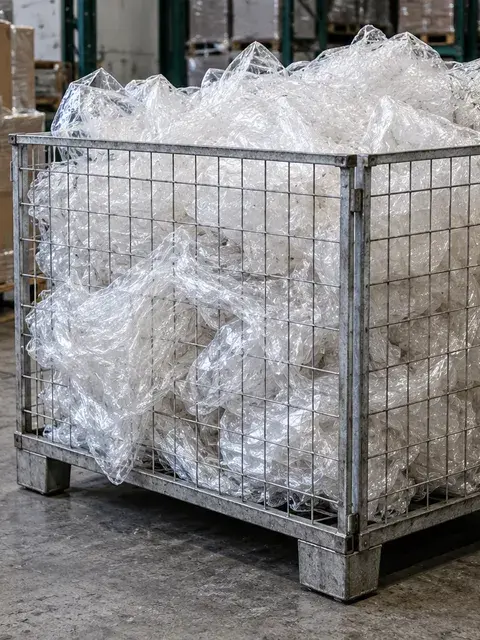
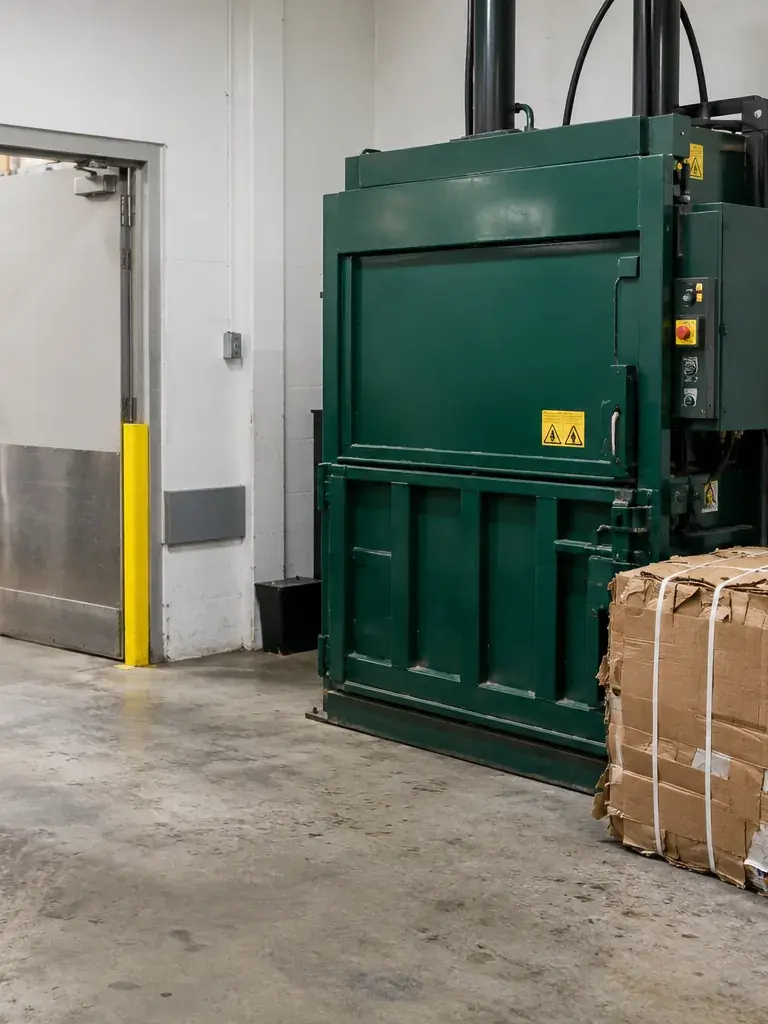
From the store or packing line back into new packaging
Resourcify connects every step of a packaging loop, from the bale at your warehouse to the recycled material that comes back. Recyclers, converters and fillers send their documents in; nobody needs another login. Every tonne is recorded in our software.
- Traceability
- Proof
Collected at your sites
Bottles, film and cardboard are collected and, where appropriate, baled at stores, warehouses or production sites. Reusable crates stay intact. Pick-ups follow a routine schedule.
Documents from every partner
Recyclers, converters and fillers send delivery notes and weighing slips by upload or email. The software reads them and matches them to the right stream and site.
Followed through the loop
Each stream is booked through every stage, from bale to flakes or granulate to new packaging, as one material account across all partners.
Back as recycled material
Recycled material that returns to your supply chain is recorded against its source streams, ready to count where the rules allow.
Reported per stream and year
Volumes collected, reused and recycled roll up per stream, site and year, with the documents behind every figure.

A site requests a collection. The contractor confirms a date. The weighing slip and invoice stay with the collection record.
Two documents are matched to collection NW-1042. The collection, receipt and output retain their source records. Fictional figures show 2,400 kg received, 2,160 kg recovered and 240 kg recorded loss. Reports cover annual, waste, post-consumer and supply-chain areas, with a PowerPoint export for management presentations.
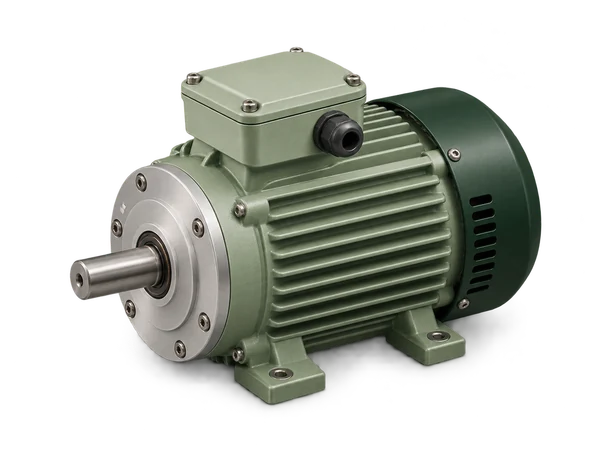 Drive units120 units12 sites
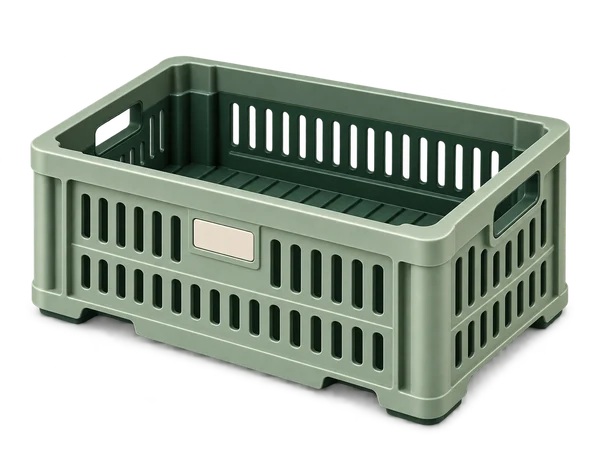 Reusable crates800 crates6 sites
 Copper offcuts8 tonnes3 sites
A service programme can virtually bundle planned volumes, consolidate physical returns and connect reuse, resale, remanufacturing and recycling partners. Recovery costs, environmental outcomes and potential revenue determine the business case.
A fictional electronics product line uses 60 tonnes of credited recycled material against 100 tonnes of production need: 40 tonnes of aluminium and 20 tonnes of steel. The report shows year comparisons, source batches, custody records and a PDF certificate containing scope, quantities, allocation and evidence. This is a simplified version of the product reporting and certificate workflow, using fictional data.
Packaging loops that match the scale of your operations
Packaging builds up at stores, warehouses and plants in many countries, and the best recycler for each stream is rarely next door. Resourcify works with 800+ recovery partners in 14 countries across Europe and the US, and checks routes and permits for every market your loop covers.
- Where do you work today?
- With 800+ recovery, logistics and reuse partners in 14 countries across Europe and the US. Ask us about your markets.
- What if a market is not covered yet?
- We find and qualify new partners for your materials against your criteria, as part of the simulation.
- Can products cross borders to the best partner?
- Where it pays and permits allow. Otherwise they are recovered in the country where they are collected.
The PPWR changes what packaging has to do
The EU Packaging and Packaging Waste Regulation applies directly in every member state since August 2026. Over the next years it introduces deposit-return systems, reuse quotas for transport packaging and beverages, minimum recycled content and recyclability grades. Germany has replaced its Packaging Act with a new law that implements it.
US packaging EPR 2025–27
Producer fees live in Oregon and Colorado; California registration in 2026; more states from 2027.
PPWR Aug 2026
Packaging and Packaging Waste Regulation: applies EU-wide; outer and transport packaging fully in scope.
German packaging law Since Aug 2026
The VerpackDG implements EU packaging rules in Germany, with registration, deposit and take-back documentation requirements.
Official sourcePPWR labelling From Aug 2028
Harmonised sorting labels start no earlier than August 2028; reusable-packaging labels follow from 2029. Both depend on implementing rules.
Official sourceDeposit return for bottles and cans Jan 2029
A 90% separate-collection target for covered single-use beverage bottles and cans. Deposit systems are required unless a conditional exemption applies.
Official sourcePPWR transport reuse Jan 2030
40% reuse for listed transport packaging. Stricter 100% rules apply to certain routes, but exempt pallet wrapping and straps. Cardboard boxes are exempt.
Official sourcePPWR beverage reuse Jan 2030
A 10% reuse target for covered beverage sales, with exclusions for certain drinks and small sales areas.
Official sourcePPWR recycled content From 2030
Plastic packaging requires 10–35% post-consumer recycled content, depending on format. Timing depends on implementing rules; medical exemptions apply.
Official sourcePPWR recyclability From 2030
Packaging must meet recyclability grades A, B or C, subject to delegated rules and exemptions. Only A and B from 2038.
Official sourcePPWR empty space From 2030
A maximum 50% empty-space ratio for grouped, transport and e-commerce packaging. Timing depends on implementing rules.
Official sourcePPWR format bans Jan 2030
Restrictions on specified single-use plastic formats, including certain multipacks, produce packaging and very light bags, with exemptions.
Official source
Select a rule for detail. Official sources: gesetze-im-internet.de, EUR-Lex, European Commission, European Commission.
Exemptions matter: some medicinal and medical-device packaging is exempt from recycled-content targets, and cardboard boxes from the transport reuse targets. Several dates move later if the EU’s implementing acts are late. What applies depends on your packaging and markets; your legal team or compliance scheme confirms it.
Summary for orientation, not legal advice.
Start with one stream, then add more
- Today
Exploration
A free first conversation and opportunity scan: your packaging streams, volumes, partners and today’s route, and what you want to reach.
- Next
Simulation
Routes, partners, batch sizes and the business case worked out. A defined project with a fixed scope and price, agreed before it starts.
- Then
Pilot and roll-out
A pilot with one stream and its partners, then more sites, streams and countries on the same setup.
Questions companies ask us about packaging
Which PPWR targets affect our packaging?
It depends on what you place on the market and use. Transport packaging faces reuse targets, plastic packaging recycled-content targets, all packaging recyclability grades, and beverage bottles and cans deposit-return systems. Your legal team or compliance scheme confirms what applies; Resourcify keeps the records.
Do the reuse targets apply to our pallets and crates?
The PPWR sets a 40% reuse target for listed transport packaging from 2030, with stricter rules for some routes. Cardboard boxes are exempt, and pallet wrapping and straps are exempt from the 100% requirement. Check your packaging formats and routes against the linked rules.
Our partners won’t log in to another system. Does that work?
Yes. Recyclers, converters and fillers send their delivery notes by email or you upload them. The software reads them and books them to the right stream.
Can you prove where every bottle went?
For loops across several partners, Resourcify keeps a mass balance: what went in and what came out at each stage, backed by each partner’s documents. That is how material loops are usually shown today.
Can recovered packaging count towards our recycled content?
Only post-consumer recyclate counts towards the PPWR targets. The records show which source streams your recycled material came from.
Do you run deposit return or file our PPWR declarations?
No. Deposit systems and producer registrations stay with the systems and schemes that run them. Resourcify keeps the operational records your teams and partners need.
What does our team need to do?
Resourcify selects and qualifies the recyclers, plans routes, checks permits, provides the software and coordinates the partners in the loop. Your team knows the streams and sites, works with your own suppliers and makes the decisions on routes and budget. You choose how much you want to do yourselves.
Who pays, and who owns the material?
That is agreed in writing before the pilot, including where ownership passes along the loop and who pays for transport.
Bring one packaging stream, and we’ll sketch its loop.
In the first conversation we look at one stream and its partners and outline the route, the records and what a simulation would answer.