Every step of your automotive recovery programme, connected.
From dismantling and logistics to recycling and reporting, Resourcify connects every step of recovering aluminium, copper, plastics and critical raw materials. Start with one material stream, then scale across plants and markets with the software, partner network and operational support you need.




- and other leading automotive companies
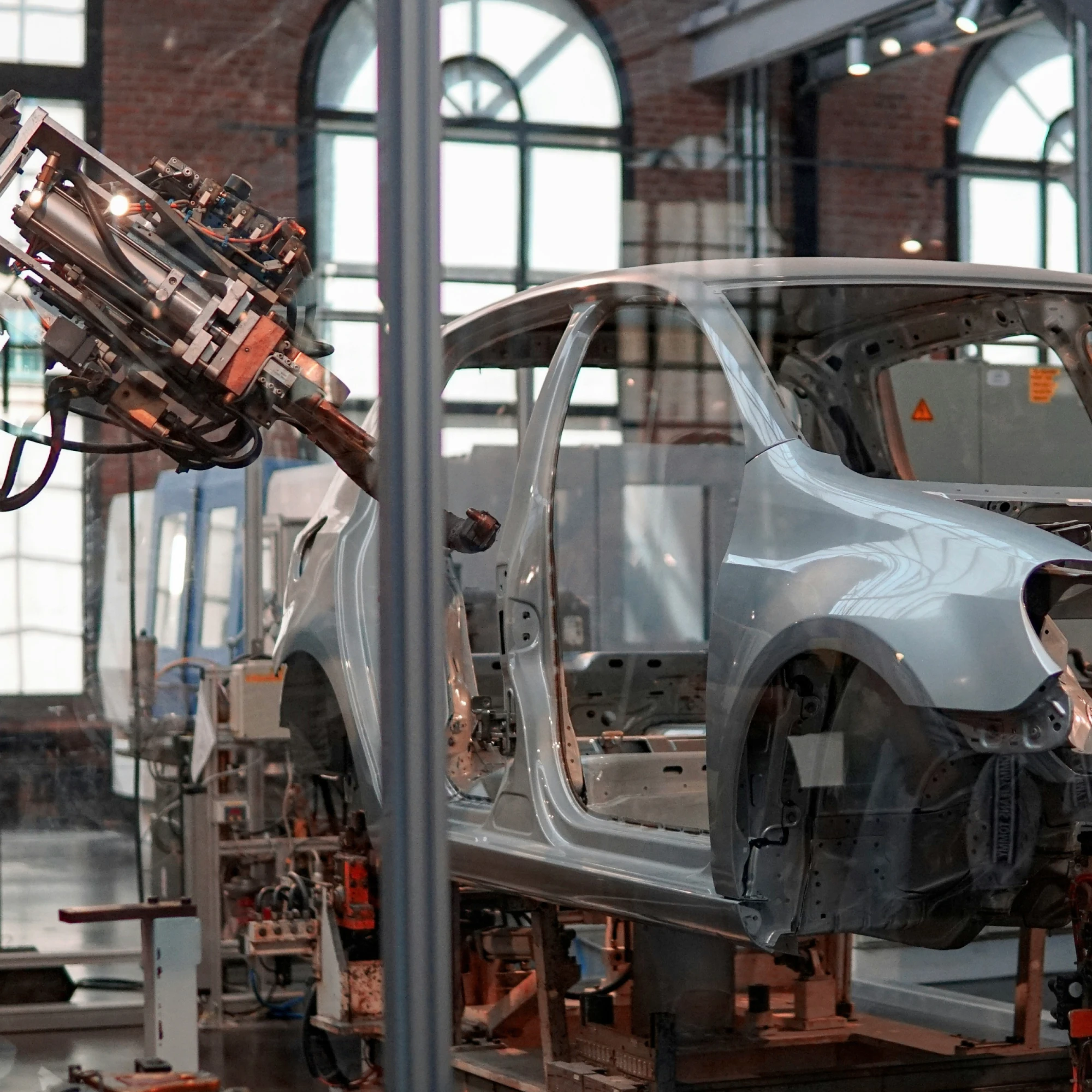
Material recovered stream by stream
Chain of custody for every batch
Secondary material for your quotas
The business case for circularity in automotive
End-of-life vehicles, parts and retired plant equipment hold plastics, aluminium, copper and critical raw materials that often disappear into mixed scrap or shredder residue. A traceable recovery programme keeps that material available to you and gives you the evidence that recycled-content rules, such as the ELV recycled-plastic quota, ask for.
- Recycled content quota
Meet the ELV recycled-plastic quota
From 2032, new vehicle types need 15% recycled plastic, a fifth of it from end-of-life vehicles. A mass balance follows each batch of plastic parts from the dismantler to the recyclate, as evidence for the quota.
- EOL material recovery rate
Recover more from every end-of-life part
Aluminium, copper, plastics and magnets go to recyclers matched to each stream, instead of disappearing into mixed scrap.
- Chain-of-custody coverage
Know where your material is at every stage
Every batch is recorded from the dismantling site or plant to the recycler, so you know where your material is and how much there is.
Material streams worth recovering
Vehicles and production equipment hold valuable material at end of life. Recovering it stream by stream gives you secondary material for recycled-content rules and less dependence on primary raw materials.
Explore the material streams Resourcify can help you design, orchestrate and track.
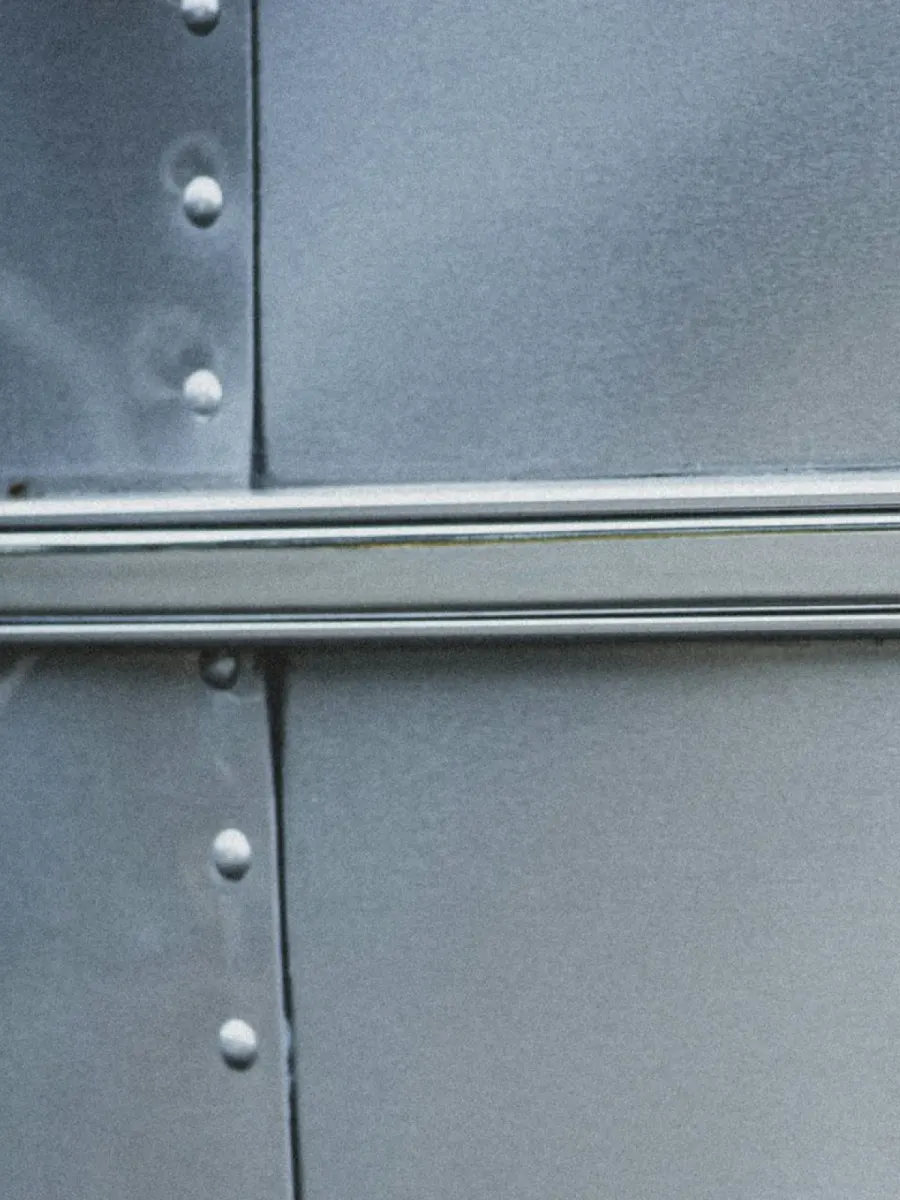
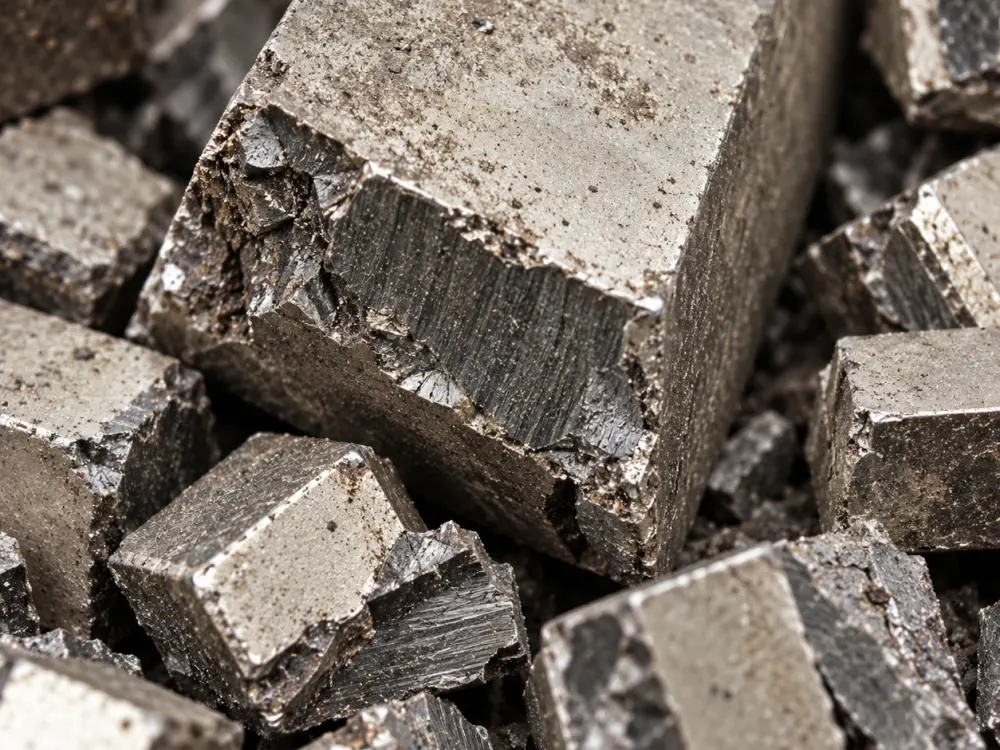
Aluminium body parts
BonnetsDoorsSide panelsTailgates
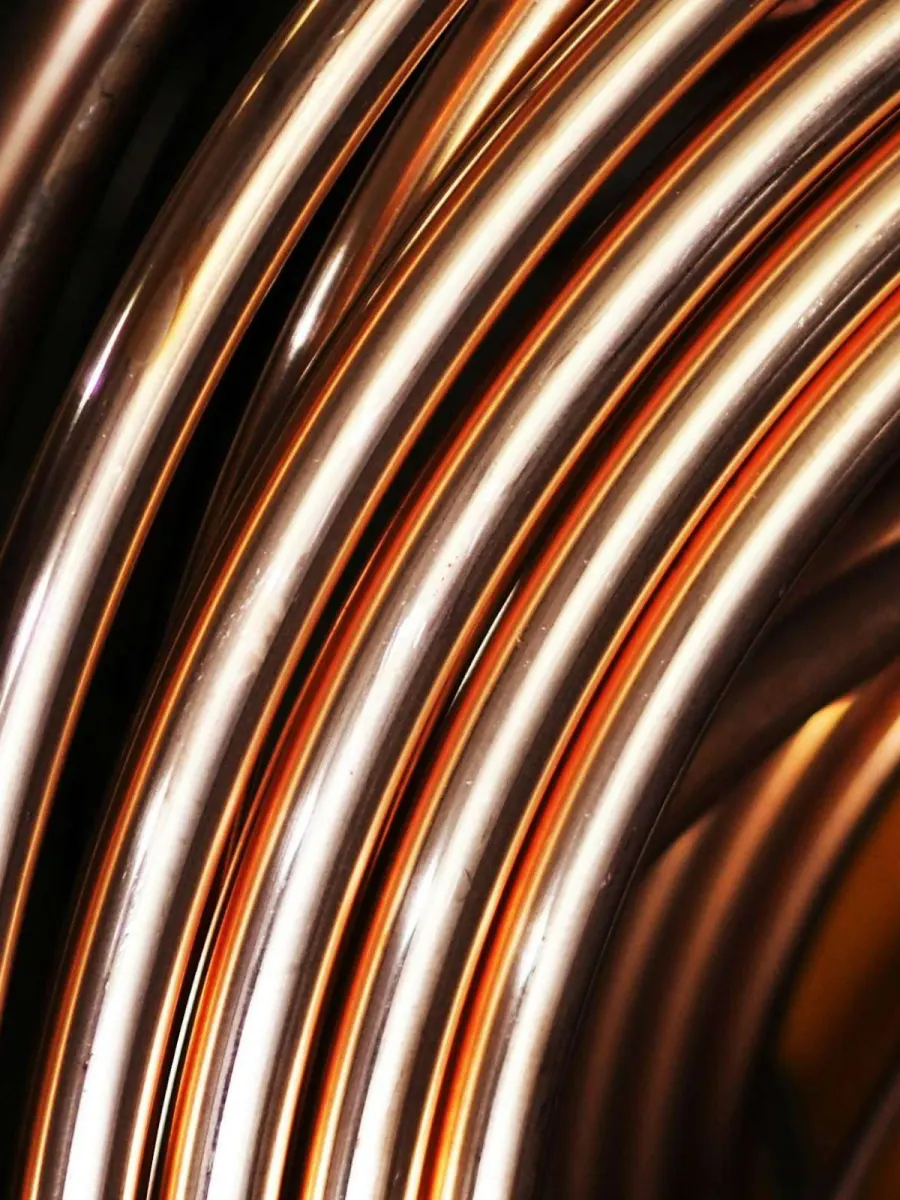
Copper wiring harnesses
Wiring harnessesCables
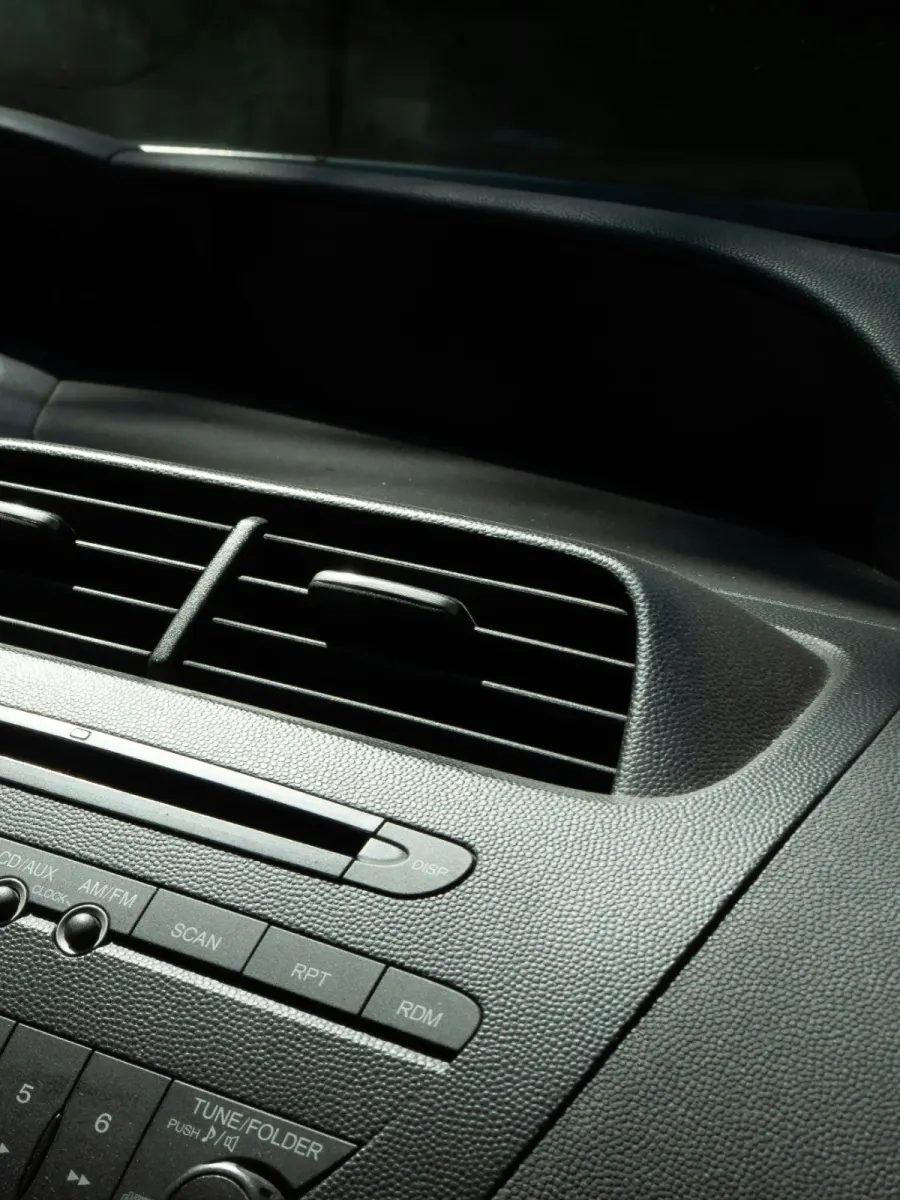
Plastic parts
BumpersInterior trimOther plastic parts from end-of-life vehicles
E-motors and rare-earth magnets
Servo motors from production robotsConveyor motorsPermanent magnets
Plant equipment
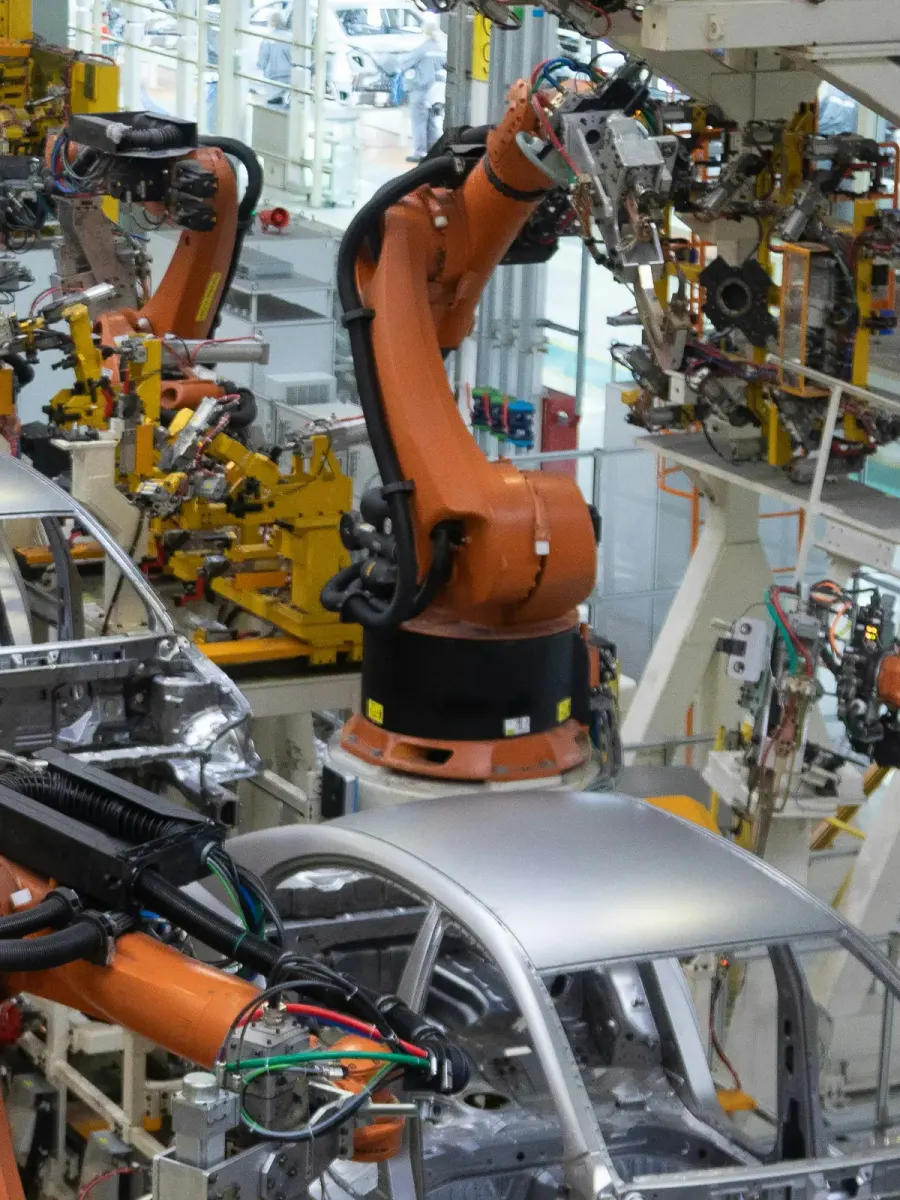
RobotsProduction machineryRetired equipment
From dismantled vehicle to secondary material
Resourcify connects every step between your dismantling centre and the recycler. We coordinate logistics and certified recycling partners for each material stream, while every container, delivery note and weighing slip is tracked in our software. At any point you can see where your material is, how much there is and how much secondary material it has become.
- Traceability
- Proof
Dismantled and sorted
Vehicles are dismantled at your recycling centre or a partner site. Bonnets and doors, wiring harnesses and plastic parts are sorted by material into labelled containers, and each pick-up is requested in our software.
Collected as separate batches
Each material leaves as its own batch, with a delivery note and weighing slip. The recycler confirms receipt against them, so your aluminium, copper and plastics stay separate from mixed scrap.
Processed by specialist recyclers
Aluminium goes to a smelter for remelting, wiring harnesses to a cable recycler and plastics to a plastics recycler. Each recycler reports what came out of every batch.
Counted as secondary material
Input and output are balanced at every step, so you can show how much recycled aluminium, copper or plastic came from your vehicles, as evidence for recycled-content and secondary-material quotas.
Reported
Volumes, recovery rates and secondary-material figures roll up per site, material and market, ready for sustainability and regulatory reporting.
A site requests a collection. The contractor confirms a date. The weighing slip and invoice stay with the collection record.
 NW-0084

An illustrated physical delivery arrives at Northwind Hub. A desktop workstation identifies return NW-0084 through an item scan. A separate mobile route scans the QR on container CT-0084 to open Receive goods and the linked return. Either receiving method leads to the same confirmed 38 kg receipt in Electronics Return Bay, preserving the Munich origin and item identity. The scenes are simplified from the actual Goods-in, mobile Receive goods and Material Flow Board screens. All records are fictional.
Partners submit priced recovery offers and terms. Your team compares the line items and selects a combination for review. The fictional combined offer is 340 euros net; it is not automatically awarded.
A fictional electronics product line uses 60 tonnes of credited recycled material against 100 tonnes of production need: 40 tonnes of aluminium and 20 tonnes of steel. The report shows year comparisons, source batches, custody records and a PDF certificate containing scope, quantities, allocation and evidence. This is a simplified version of the product reporting and certificate workflow, using fictional data.
Two documents are matched to collection NW-1042. The collection, receipt and output retain their source records. Fictional figures show 2,400 kg received, 2,160 kg recovered and 240 kg recorded loss. Reports cover annual, waste, post-consumer and supply-chain areas, with a PowerPoint export for management presentations.
Simulate your programme before committing
Start from your dismantling centres and plants: how many vehicles and parts come back, which materials they contain and which recyclers could take each stream. Compare direct routes with consolidation hubs and see how volumes and distances change the business case for each material before the first container moves.
 Northwind · DemoNW
Put the whole return network on the map.

Find the partners that fit the material.
Compare direct routes with regional hubs.
Individual site collections
Consolidated recovery volumes
See when recovery starts to pay.
Illustrative copper scenario · transport and processing included
Map sites and a recovery partner, add a possible consolidation hub, compare the direct and hub routes, then review recovered value against the transport and processing assumptions.
- Dismantling sites, material streams and recyclers on one map
- Direct routes compared with consolidation hubs
- Recovered value per material against collection and processing costs
Get ahead of growing expectations for circularity in automotive
Regulators and customers increasingly ask what happens to vehicles, batteries and parts at end of life. Resourcify helps you recover more material, secure secondary raw materials and build the traceable records that recycled-content and producer-responsibility rules require.
- Since Aug 2025EU battery take-backProducers, including carmakers placing EV batteries on the market, take them back free of charge and fund collection and treatment.
- Jan 2027New Jersey EV battery lawThe first US producer-responsibility law for EV batteries: vehicle makers label propulsion batteries from January 2027, then run approved take-back plans.
- Feb 2027EU battery passportEvery EV battery placed on the EU market carries a digital battery passport, a record that follows it to recovery.
- Sep 2029ELV producer responsibilityCarmakers become responsible for collecting and treating their end-of-life vehicles, and draw up a circularity strategy.
- Sep 2032Recycled plastic in carsNew vehicle types need 15% recycled plastic, a fifth of it from end-of-life vehicles, plus a digital circularity passport; 25% from 2036.
The End-of-Life Vehicles Regulation (EU) 2026/1738 entered into force on 13 August 2026 and applies from 1 September 2028.
Summary for orientation, not legal advice.
Start with one material stream, then scale on the same setup
- Today
Exploration
We choose the first material stream, sites and recyclers with you, and establish a baseline of what is scrapped today.
- Next
Simulation
Your recovery route mapped end to end: partners, material flows, mass balance and the business case, before anything moves.
- Then
Pilot and roll-out
A pilot with one stream and site, then more materials, plants and markets on the same setup.
Questions automotive manufacturers ask us
Can we start with a single material stream?
That is usually the best way in. A first campaign might cover one material, such as aluminium body parts from one dismantling site, with one recycler. Once the process and the data work, more streams and sites can follow on the same setup.
Can we keep working with our existing recycling partners?
Yes. Many manufacturers already have recyclers and disposal partners they trust. We connect them to the software and can add partners from our network for streams that don’t have one yet.
How do we know where our material is?
Each container or batch is recorded when it leaves your site. Delivery notes and weighing slips are added at every handover, so you can see where the material is, how much there is and who holds it.
How does this fit with our existing systems?
You can start without an integration: delivery notes and weighing slips can be uploaded or forwarded by email. Where it makes sense, data can later be exchanged with your systems through our API.
Does plastic from our end-of-life vehicles count towards the new recycled-plastic rules?
From 2032, 15% of the plastic in new vehicle types has to be recycled, and a fifth of that has to come from end-of-life vehicles. To use your own plastic for this, you need to show where it came from. Resourcify records each batch of plastic parts from the dismantler to the recycler, so you have that evidence.
Can recovered material go back into our own vehicles?
Aluminium is a good place to start. With one automotive manufacturer, we have set up a route where aluminium body parts from dismantled vehicles are collected as a separate batch and remelted into new alloy. The mass balance shows how much secondary material came from your own parts, so you can plan its reuse.
Does every material stream have a positive business case?
Not always. Aluminium and copper usually carry their own value. Other streams, such as rare-earth magnets in small volumes, can cost more than they return today and are worth it mainly for supply security or to meet regulation. The simulation calculates this for your volumes, so you know which streams to start with.
Bring one material stream, and we’ll sketch its recovery route.
In the first conversation we look at one material stream and outline the recovery route, the partners and what a simulation would answer.