Every step of your equipment take-back programme, connected.
For makers of machinery, electrical equipment and industrial goods: from decommissioning and logistics to recycling and reporting, Resourcify connects every step of recovering your products and the materials inside them. Start with one product line, then scale across sites and markets with the software, partner network and operational support you need.


Decided unit by unit
Every batch traced
Critical materials kept in your supply chain
The business case for circularity in manufacturing
Retired machines, transformers and equipment contain copper, steel, aluminium and critical raw materials. Recovering them stream by stream secures material for your own production, reduces your dependence on primary raw materials and gives you the evidence that customers and regulators increasingly ask for.
- Material recovery rate
Recover more from every returned unit
Copper, steel, aluminium and rare earths go to recyclers matched to each stream, and every output is reported: recovered, used elsewhere or lost.
- Recycled content in new products
Keep recovered material in your supply chain
A mass balance follows each batch from decommissioning to the recycler and on to your suppliers, so you can show how much recovered material went back into your supply chain and where the rest went.
- Value recovered per returned unit
Decide what each returned unit is worth
Deciding unit by unit whether to refurbish, resell or recycle keeps value that would be lost if everything went to scrap.
Products and materials worth recovering
Machines and equipment hold valuable material at end of life, and some units are worth more refurbished than recycled. Recovering them stream by stream keeps that value in your business.
Explore the products and materials Resourcify can help you design, orchestrate and track.
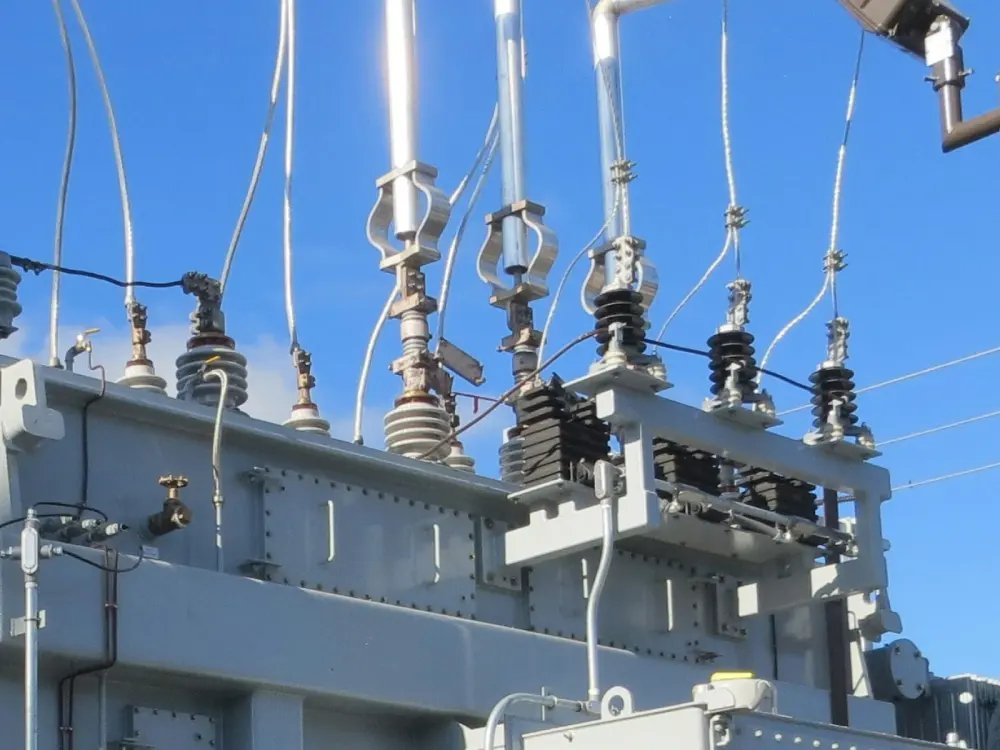
Transformers and electrical equipment
Casing steelCopper windingsTransformer oil
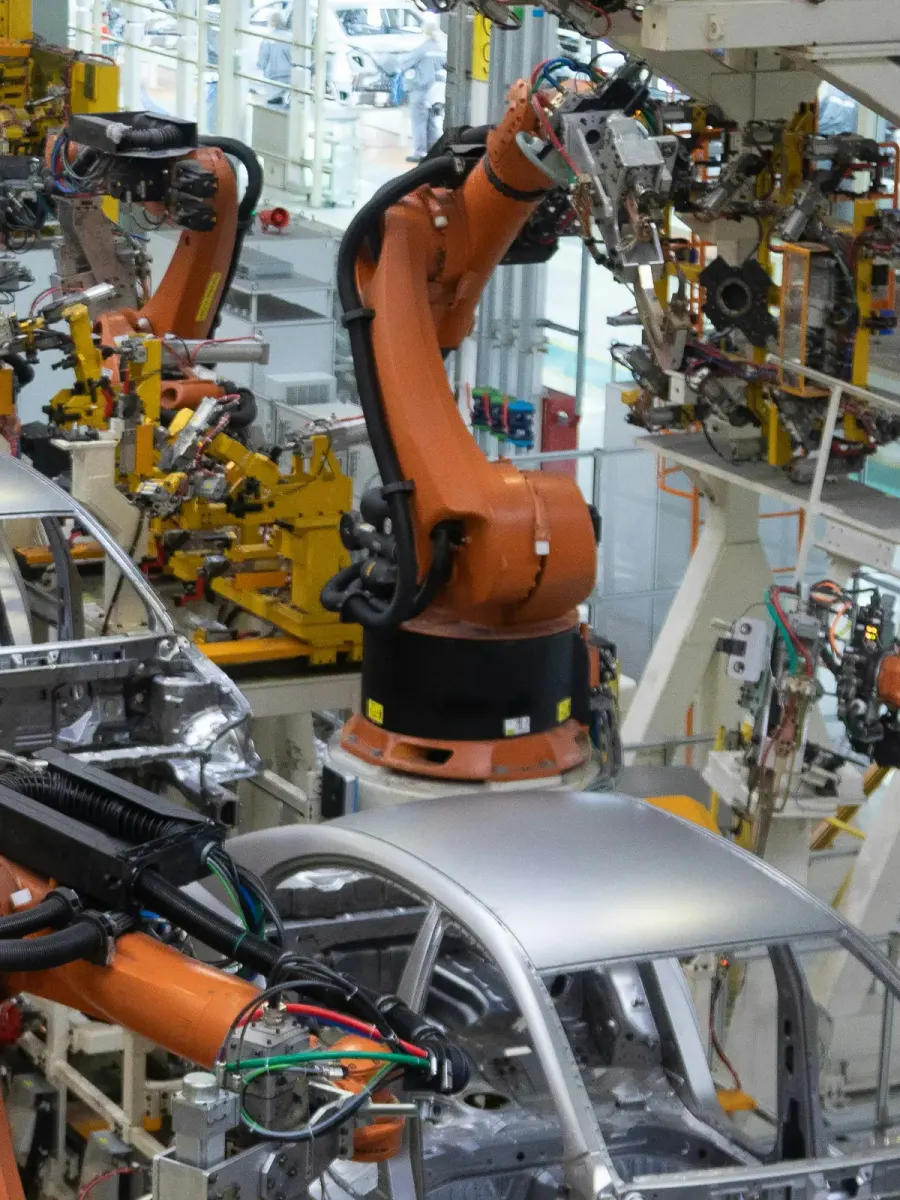
Robots and electric motors
Servo motorsRare-earth magnetsElectric motors
Machines for refurbishment
Returned machinesSpare partsRetired production lines
Production scrap
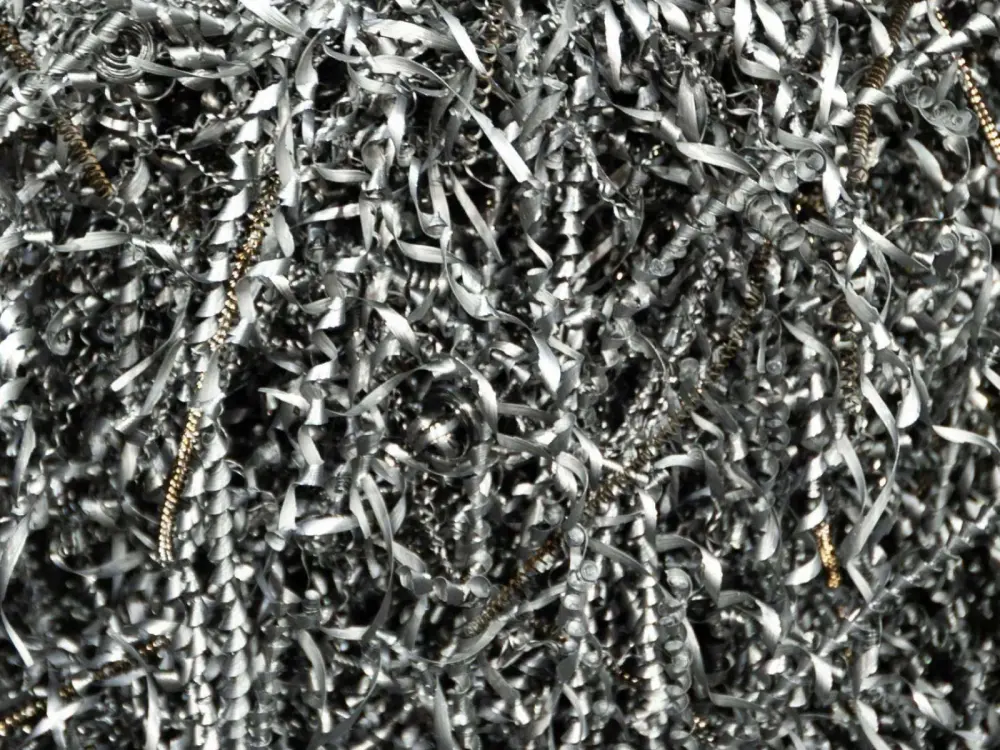
Metal chipsAluminium and copper offcuts
From retired equipment to new material
Resourcify connects every step from the site where equipment is decommissioned to the recycler and back to your supply chain. We coordinate logistics and certified recycling partners for each material, while every unit, delivery note and weighing slip is tracked in our software. You see what came back, what it was worth and where every material went.
- Traceability
- Proof
Decommissioned and released
When equipment is retired at a customer site or in your own plant, it is recorded in our software. Your team decides what is refurbished, resold or recycled, and only released units move on.
Collected and transported
Pick-ups are planned to keep transport costs down, often the largest cost for heavy equipment. Delivery notes and weighing slips are recorded at every handover.
Processed by certified partners
Copper, steel, aluminium, oil and magnets go to certified recyclers selected for each stream and country. Each recycler reports what came out of every batch.
Traced into new material
Input and output are balanced at every step, so you can show how much recovered copper, steel or aluminium went back to your suppliers, and where the rest went.
Reported
Recovery rates, every output and recycled-content figures roll up per product line, site and market, ready for customers, auditors and sustainability reporting.
A site requests a collection. The contractor confirms a date. The weighing slip and invoice stay with the collection record.
 NW-0084

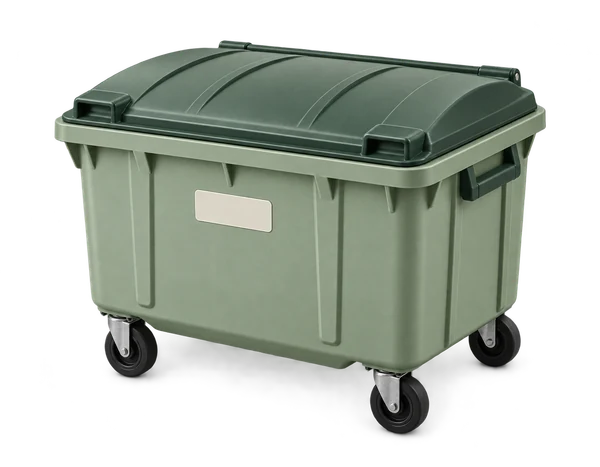
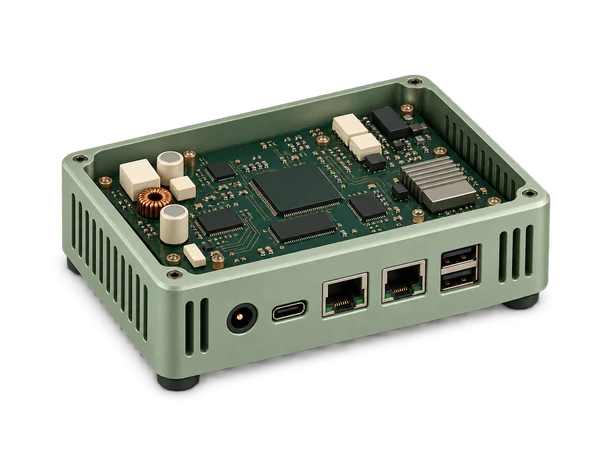
An illustrated physical delivery arrives at Northwind Hub. A desktop workstation identifies return NW-0084 through an item scan. A separate mobile route scans the QR on container CT-0084 to open Receive goods and the linked return. Either receiving method leads to the same confirmed 38 kg receipt in Electronics Return Bay, preserving the Munich origin and item identity. The scenes are simplified from the actual Goods-in, mobile Receive goods and Material Flow Board screens. All records are fictional.
Partners submit priced recovery offers and terms. Your team compares the line items and selects a combination for review. The fictional combined offer is 340 euros net; it is not automatically awarded.
A fictional electronics product line uses 60 tonnes of credited recycled material against 100 tonnes of production need: 40 tonnes of aluminium and 20 tonnes of steel. The report shows year comparisons, source batches, custody records and a PDF certificate containing scope, quantities, allocation and evidence. This is a simplified version of the product reporting and certificate workflow, using fictional data.
Two documents are matched to collection NW-1042. The collection, receipt and output retain their source records. Fictional figures show 2,400 kg received, 2,160 kg recovered and 240 kg recorded loss. Reports cover annual, waste, post-consumer and supply-chain areas, with a PowerPoint export for management presentations.
Simulate your programme before committing
Start from your installed base and your sites: where equipment will be retired, which materials it contains and which recyclers could take each stream. Compare direct routes with consolidation hubs and see how volumes, weights and distances change the business case before the first unit moves.
 Northwind · DemoNW
Put the whole return network on the map.

Find the partners that fit the material.
Compare direct routes with regional hubs.
Individual site collections
Consolidated recovery volumes
See when recovery starts to pay.
Illustrative copper scenario · transport and processing included
Map sites and a recovery partner, add a possible consolidation hub, compare the direct and hub routes, then review recovered value against the transport and processing assumptions.
- Sites, product lines and recyclers on one map
- Direct routes compared with consolidation hubs
- Recovered value against transport and processing costs
Get ahead of growing expectations for circularity in manufacturing
Customers and regulators increasingly ask what your products are made of, what they emit and what happens to them at end of life. Resourcify helps you recover critical raw materials, keep them in your supply chain and build the product-level records that new EU rules require.
- Since Jan 2026CBAMImports of iron, steel and aluminium now carry a carbon price at the EU border; certificate sales start in February 2027.
- From Jul 2026Digital product passportsThe EU registry for digital product passports is due from July 2026, with steel and aluminium among the first product groups to follow.
- Feb 2027Industrial battery passportIndustrial batteries over 2 kWh placed on the EU market need a digital battery passport.
- From 2027Permanent-magnet disclosureMakers of products with permanent magnets, such as industrial robots and electric motors, will have to disclose recycled content, from May 2027 at the earliest.
- Expected late 2026Circular Economy ActThe Commission is expected to propose the Circular Economy Act, including a revision of EU rules on electrical and electronic waste.
EU rules are moving from company reporting to product-level proof: material, carbon and end-of-life data increasingly travel with the goods.
Summary for orientation, not legal advice.
Start with one product line, then scale on the same setup
- Today
Exploration
We choose the first product line or material stream with you and look at where your equipment ends up today.
- Next
Simulation
Your take-back route mapped end to end: partners, logistics, material flows and the business case, before anything moves.
- Then
Pilot and roll-out
A pilot with one product line and region, then more products, sites and markets on the same setup.
Questions manufacturers ask us
Will a take-back programme pay for itself?
That depends on the product, its materials and the recycling options near you. Copper, aluminium and steel often carry real value; for other streams the case rests more on secure access to material or on what your customers ask for. We model this for your volumes before anything is set up.
Who owns the material once it leaves our customer’s site?
This is agreed up front and can be set up in different ways: a recycler can process material on your behalf while you keep ownership, or material can be bought from your customer. We help you work out the model; the contract terms sit with you and your partners.
How do you decide whether a unit is refurbished or recycled?
That decision usually stays with you, often for warranty and safety reasons, and refurbishment stays with your own sites or partners. Your decision step is built into the agreed process, and only units you release go on to recycling.
We supply components and the OEM owns the end product. Can we still recover our materials?
Often, though it takes cooperation along the chain. Many programmes start where you have direct access, such as service returns, scrap from your own plants or one customer willing to take part, and grow from there.
Do our customers, service partners and recyclers all have to use the software?
We keep the effort for each party as low as possible. Partners send what they already produce, such as delivery notes, weighing slips and recycling certificates, and these documents are read and matched in our software. You can start without any system integration.
How do we know what really happened to the material?
Each step is recorded from the documents of the party that handled it: what went in, what came out and where it went, including material that did not return to your own supply chain. That also makes gaps between what a recycler reports and what you expected visible.
Does this work across countries, and what about transport?
We work with certified partners in several countries. Waste rules differ by country and cross-border shipments need extra permits, so routes are planned country by country. For large equipment, transport is often the hardest part, so we plan it early, for example by dismantling on site where possible.
Bring one product line, and we’ll sketch its take-back route.
In the first conversation we look at one product line or material stream and outline the recovery route, the partners and what a simulation would answer.