Every step of your product take-back, connected.
From collection at your customers’ sites and logistics to recycling and reporting, Resourcify connects every step of taking your products back at end of life. Start with one product and market, then scale across countries with the software, partner network and operational support you need.


Collected from your customers
Every return traced
Recovered with certified partners
- 28.7%
- Germany’s electrical-waste collection rate, measured against average equipment sales over the previous three yearsUmweltbundesamt, 2024
- 14.6 million t
- of electrical equipment put on the EU market in one yearEurostat, 2024
- ~3.5 million
- vehicles leave EU records each year without their final destination being tracedEuropean Commission estimate
The business case for product take-back
A take-back programme pays back in more than one way. It recovers material you can count, keeps you in contact with customers after the sale, and gives you the evidence that customers, tenders and regulators increasingly ask for. Whether it pays for itself depends on your volumes, the materials and what disposal costs today, which is why we work it out before anything moves.
- Take-back rate
Bring more of your products back
Customers order pick-ups by QR code or portal, containers are replenished automatically, and every return is recorded.
- EOL material recovery rate
Recover more from every product
Each material goes to certified recovery partners selected for it, instead of ending up in mixed waste.
- Customer retention
Stay in contact with customers after the sale
Every collection is a touchpoint with your customer, and a documented take-back offer can strengthen tenders and renewals.
Products manufacturers take back
Take-back works for very different products, from single-use medical devices to machines and vehicle parts. The steps are the same; the partners, permits and business case differ per product.
See how take-back works in your industry.
Medical devices
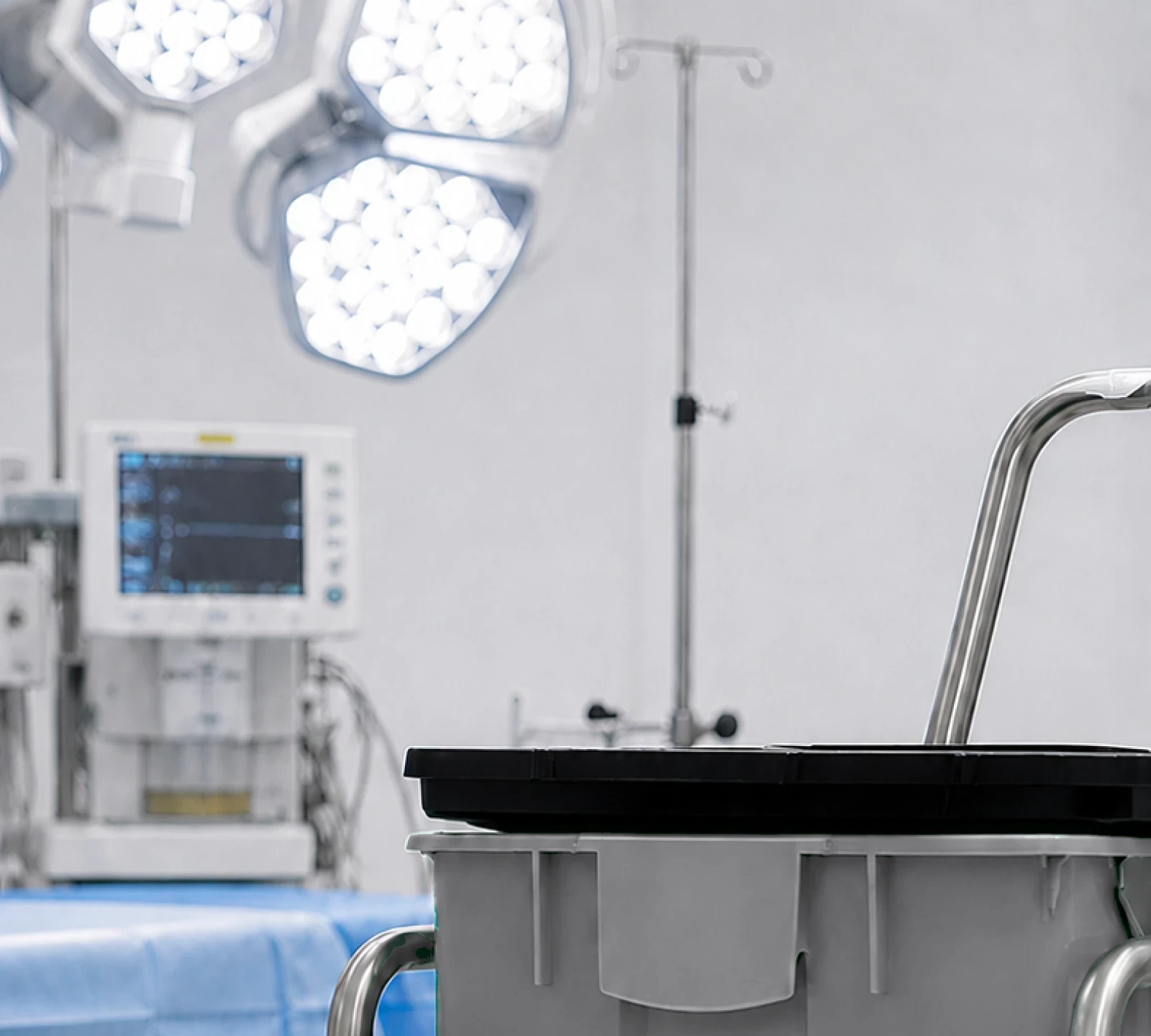
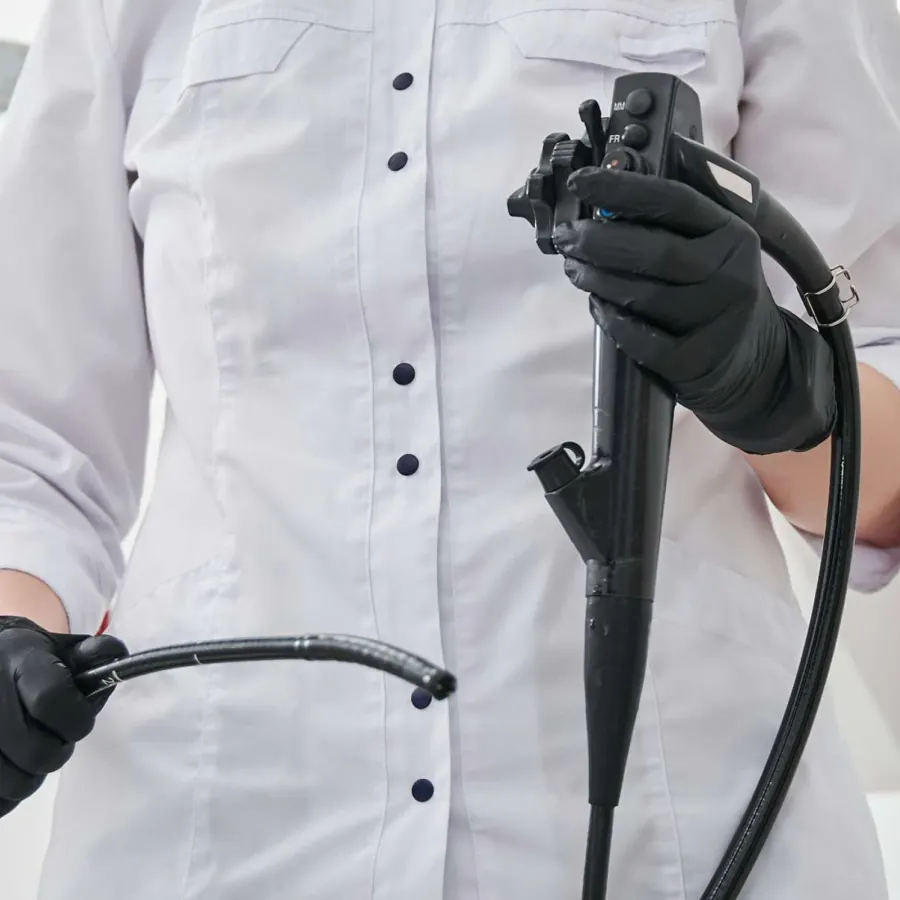
Single-use devicesEndoscopesSurgical instruments
Drug-delivery devices
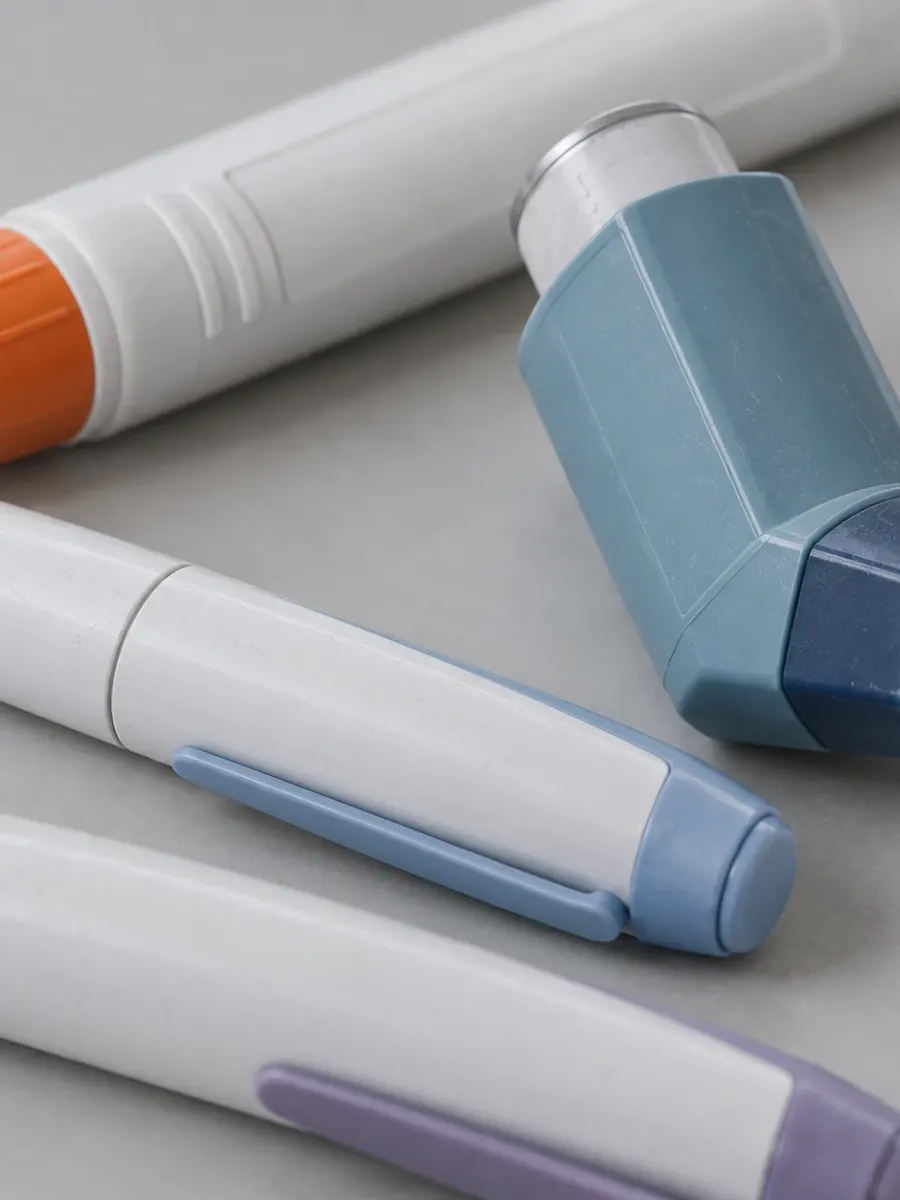
Insulin pensAuto-injectorsInhalers
Vehicle parts
Aluminium body partsWiring harnessesE-motors
Machines and equipment
Returned machinesSpare partsRetired equipment
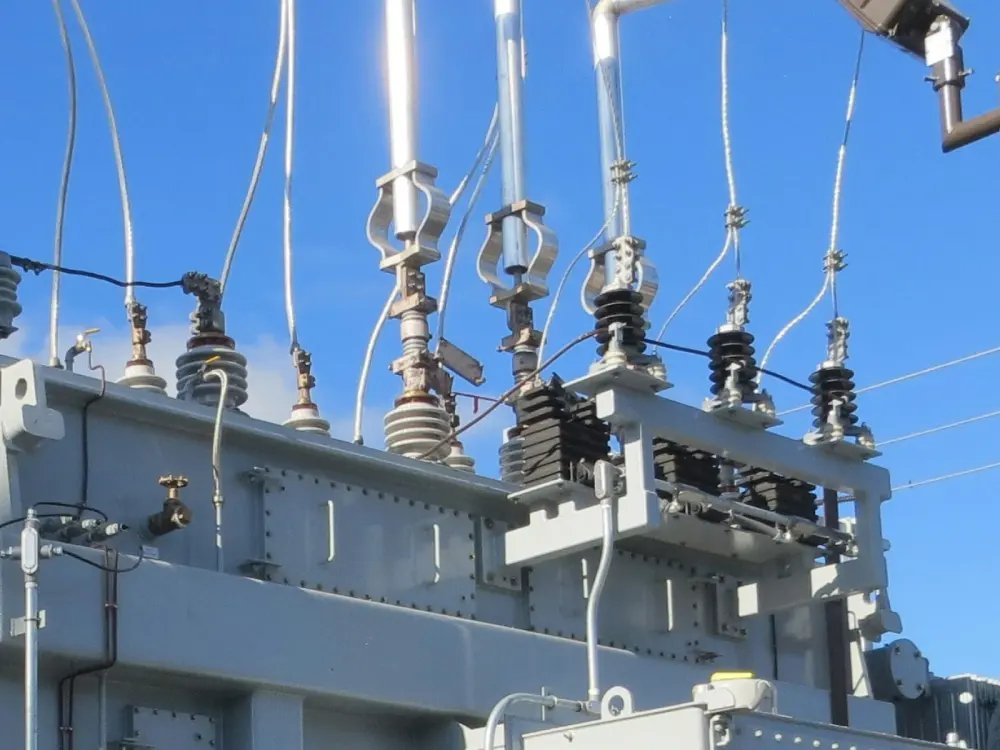
Electrical equipment
TransformersMotorsElectronic devices
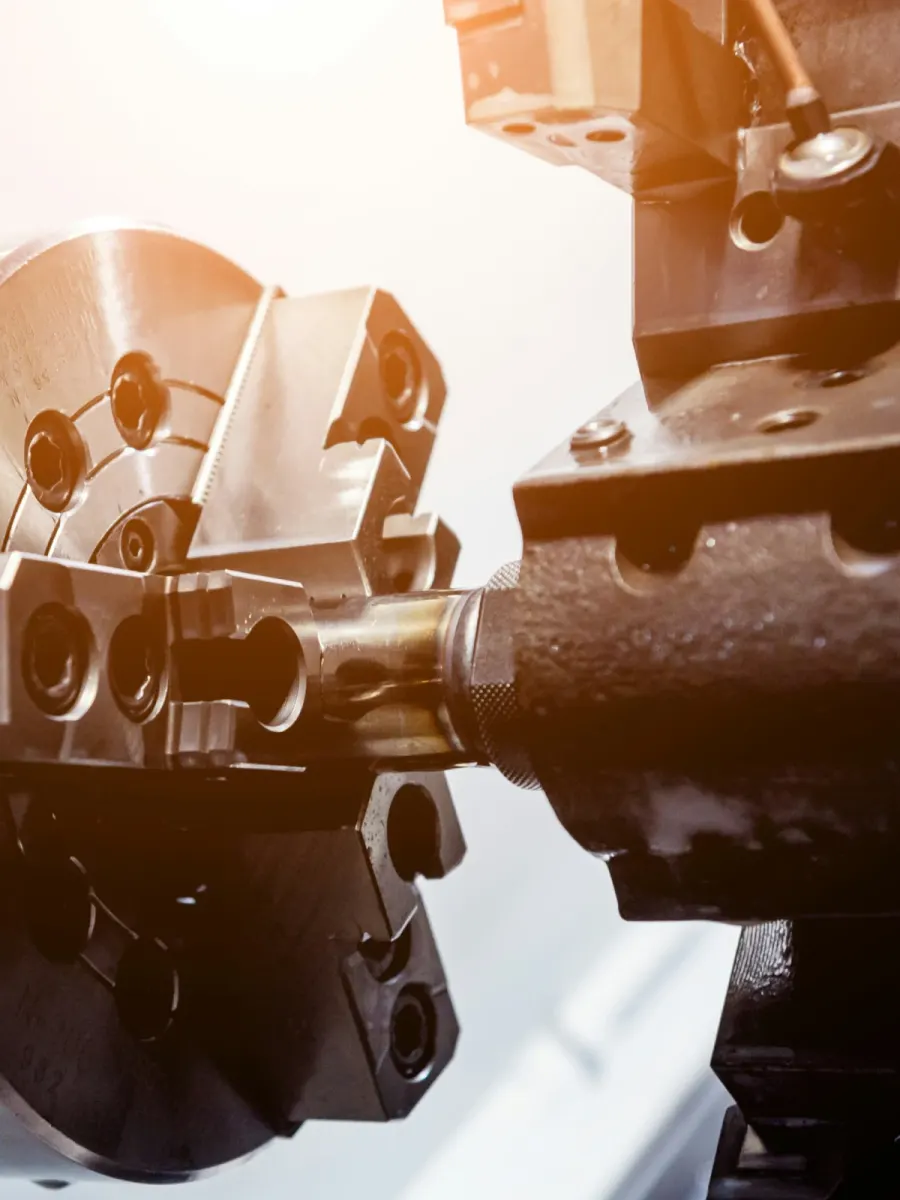
From your customer’s site to recovered material
Resourcify connects every step of your take-back programme, from the pick-up request to the recovery report. We coordinate logistics and certified recovery partners across countries, while every order, container and document is tracked in our software. You see where your products are, what happened to them and what was recovered.
- Traceability
- Proof
Collected from your customers
Customers request a pick-up by QR code or portal, without another login. Carriers confirm by email, and empty containers are sent back automatically.
Received and checked
Returns arrive at a consolidation point or directly at the partner, are weighed and checked against the order, with every delivery note and weighing slip recorded.
Matched to certified partners
Each product and material goes to audited partners selected for it, country by country. Their certificates and permits are tracked in the software.
Handled with care where needed
Products with batteries, residues or contamination follow the handling and documentation rules for each country.
Reported and certified
Volumes, recovery results and certificates roll up per customer, programme and market, ready to share with customers and for reporting.
A site requests a collection. The contractor confirms a date. The weighing slip and invoice stay with the collection record.
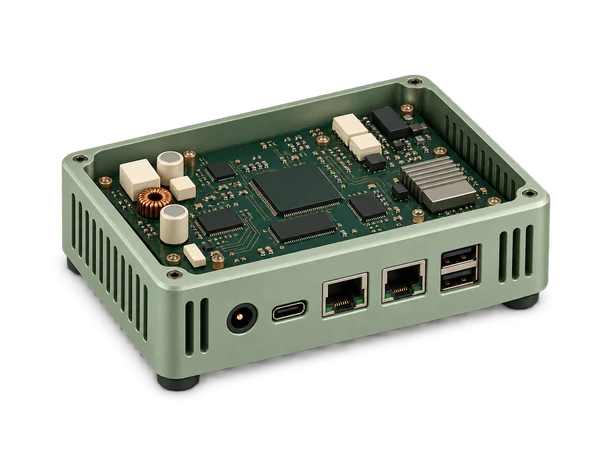 NW-0084
An illustrated physical delivery arrives at Northwind Hub. A desktop workstation identifies return NW-0084 through an item scan. A separate mobile route scans the QR on container CT-0084 to open Receive goods and the linked return. Either receiving method leads to the same confirmed 38 kg receipt in Electronics Return Bay, preserving the Munich origin and item identity. The scenes are simplified from the actual Goods-in, mobile Receive goods and Material Flow Board screens. All records are fictional.
Partners submit priced recovery offers and terms. Your team compares the line items and selects a combination for review. The fictional combined offer is 340 euros net; it is not automatically awarded.
Four views follow the actual hazardous-waste coverage dashboard, permit register and ESRS report. An expiring permit keeps its reference, waste code and locations. A fictional annual report shows 12.5 tonnes of hazardous waste: 10 tonnes recycled and 2.5 tonnes in other treatment.
The Post-Consumer report follows the actual product layout: operational metrics and participating locations, an engagement trend and participant ranking, monthly returns by programme, and a product-type treemap. Fictional figures show 3 programmes, 48 pickups, 32 participating locations and 240 returned products: 160 containers, 60 servo motors and 20 inverters. The monthly series totals 240 products.
Simulate your programme before committing
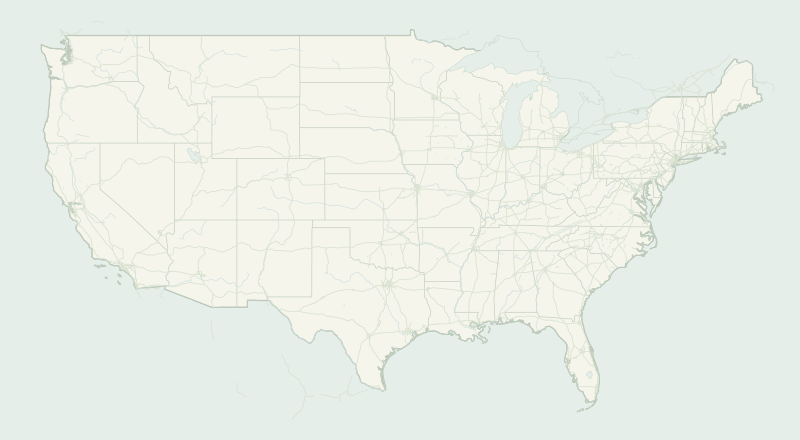
Start from where your products are sold and used: map your customers, the volumes that could come back, the partners that could take each material and the logistics in between. Check legal feasibility per country and see the business case before the first container moves.
 Northwind · DemoNW
Put the whole return network on the map.
Find the partners that fit the material.
Compare direct routes with regional hubs.
Individual site collections
Consolidated recovery volumes
See when recovery starts to pay.
Illustrative copper scenario · transport and processing included
Map sites and a recovery partner, add a possible consolidation hub, compare the direct and hub routes, then review recovered value against the transport and processing assumptions.
- Customers, volumes and partners on one map
- Direct routes compared with consolidation hubs
- Recovered value against collection, logistics and processing costs
Get ahead of growing expectations for product take-back
Regulators, customers and tenders increasingly ask manufacturers what happens to their products at end of life. Resourcify helps you set up take-back across markets, work with certified partners in each country and keep the records that producer-responsibility and reporting rules require.
- Since 2021MDRDevices must be designed for safe disposal after use, with disposal procedures tested by the manufacturer and described in the instructions for use.
- Since Aug 2025EU battery take-backProducers, including carmakers placing EV batteries on the market, take them back free of charge and fund collection and treatment.
- From 2027Permanent-magnet disclosureMakers of products with permanent magnets, such as industrial robots and electric motors, will have to disclose recycled content, from May 2027 at the earliest.
- Sep 2029ELV producer responsibilityCarmakers become responsible for collecting and treating their end-of-life vehicles, and draw up a circularity strategy.
- FY 2027CSRDCompanies with more than 1,000 employees and €450m turnover report sustainability data for financial years from 2027; first reports in 2028.
Requirements differ by product and country: permits for cross-border shipments are often the longest lead time, so they are part of the plan from the start.
Summary for orientation, not legal advice.
Start with one product and market, then scale on the same setup
- Today
Exploration
We look at your products, materials, markets and today’s end-of-life route, and agree the outcome you want.
- Next
Simulation
Your programme mapped end to end: partners, logistics, legal feasibility and the business case, before anything moves.
- Then
Pilot and roll-out
A pilot with one product and market, then more products, customers and countries on the same setup.
Questions manufacturers ask us about take-back
Do you collect and recycle the products yourselves?
No. Resourcify connects audited logistics and recovery partners and runs the operations around them in our software. You decide how much your own team does and where our operations team supports you.
How do you choose the recovery partners?
We select and qualify partners against your criteria, per material and country. Certification is a precondition, and certificates and permits are tracked in the software.
What about shipping products across borders?
Waste shipment permits are often the longest lead time. Legal feasibility is checked country by country in the simulation, before the pilot starts.
Will the programme pay for itself?
It depends on volumes, the materials and what disposal costs today. Some programmes cover their costs through recovered value; others are worth it mainly for customer relationships or regulation. The simulation works this out for your products first.
We don’t know how many products would come back. Can we still start?
Yes, that is common. The simulation starts from what you know, and the pilot gives you real volumes to plan the roll-out.
Do our customers need another login?
Not necessarily. Customers can order a pick-up by QR code, and partners can confirm by email.
Can the programme run under our brand?
Yes. The take-back offer can run as your own branded service to your customers.
Bring one product, and we’ll sketch its take-back route.
In the first conversation we look at one product and market and outline the take-back route, the partners and what a simulation would answer.