Every step of your packaging recovery programme, connected.
From collection at the line and logistics to recycling and reporting, Resourcify connects every step of recovering the packaging your production sites use. Start with one site and one packaging stream, then scale across sites and markets with the software, partner network and operational support you need.


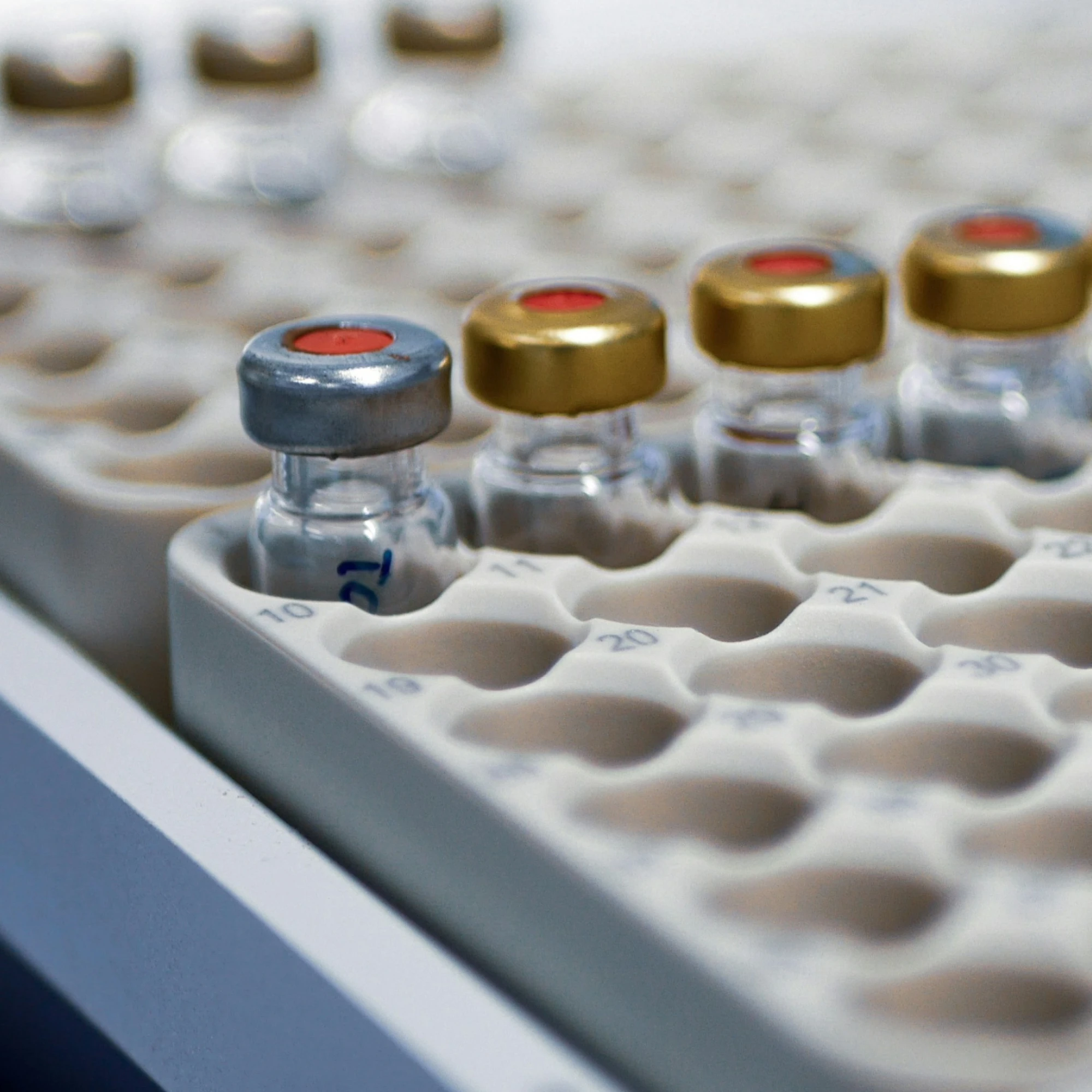
Packaging collected at the line
Every batch traced
One programme across sites
The business case for circularity in pharma
Fill-finish and packaging lines produce large volumes of clean, single-material plastics such as nests, tubs and trays, and much of it is incinerated today. A traceable recovery programme turns that packaging into recyclate and gives you the evidence for packaging rules and sustainability reporting.
- Packaging recovery rate
Recover more packaging from every site
Nests, tubs, trays and boxes are collected stream by stream at your sites and go to recyclers matched to each plastic, instead of to incineration.
- Recycled content in packaging
Build recycled content into your packaging
From 2030, secondary and transport packaging face recycled-content targets. Batches traced from the line to regranulate show how much recyclate came from your own packaging.
- Chain-of-custody coverage
Know where your material is at every stage
Every bag and batch is recorded from the production line to the recycler, with weights and documents at each handover.
Packaging streams worth recovering
Fill-finish and packaging lines produce clean, single-material plastics in steady volumes. Recovering them stream by stream gives you recyclate for your packaging targets and less to incinerate.
Explore the packaging streams Resourcify can help you design, orchestrate and track.
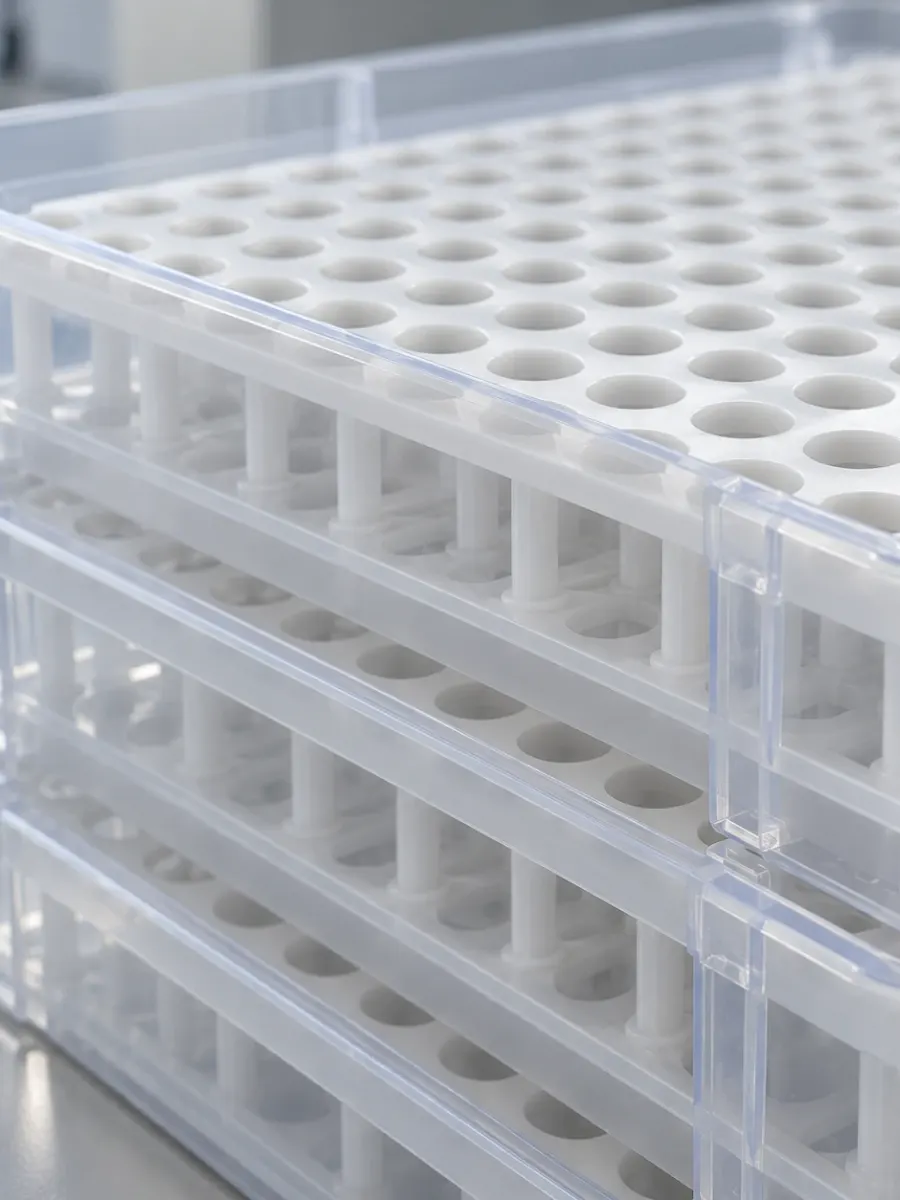
Nests and tubs
Polypropylene nestsPolystyrene tubsTub lids
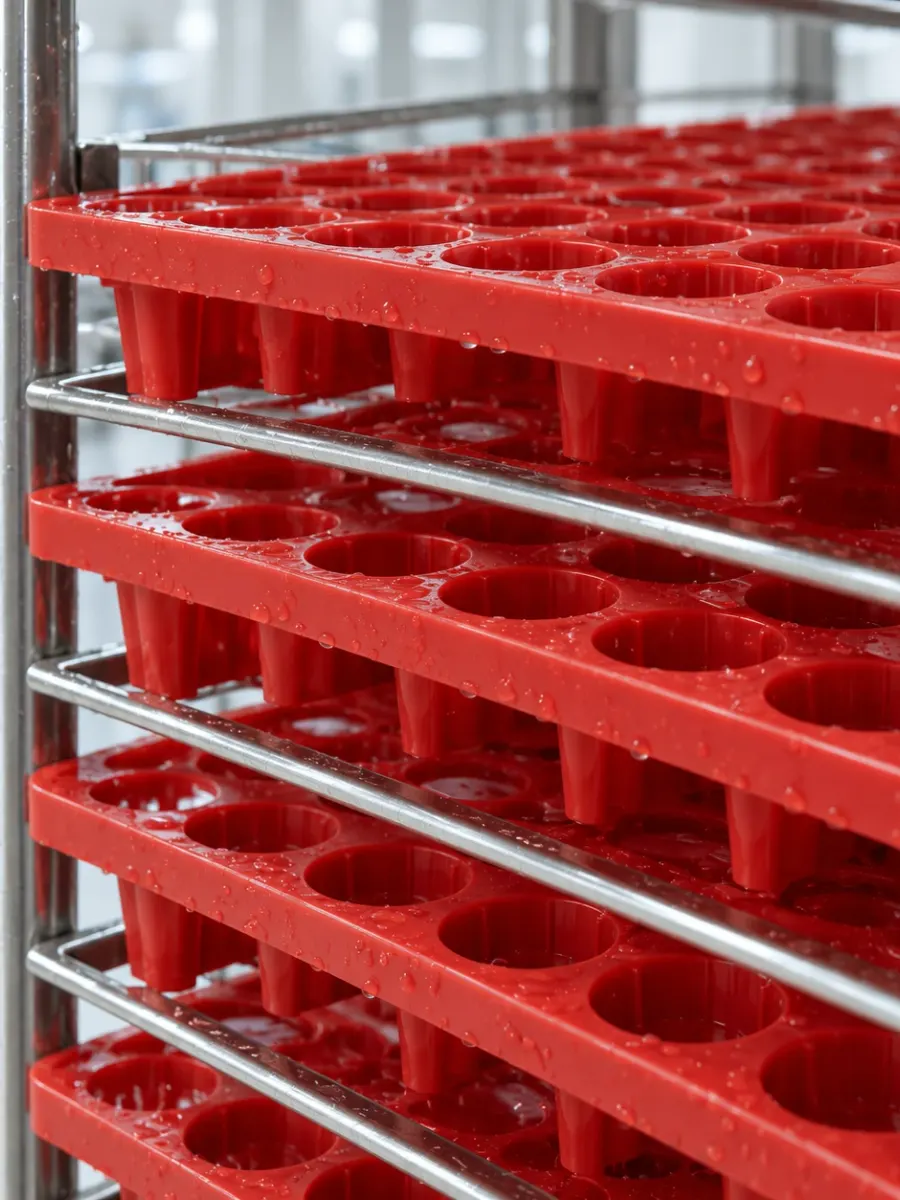
Trays
Transparent and black traysReusable trays for cleaning and reuse
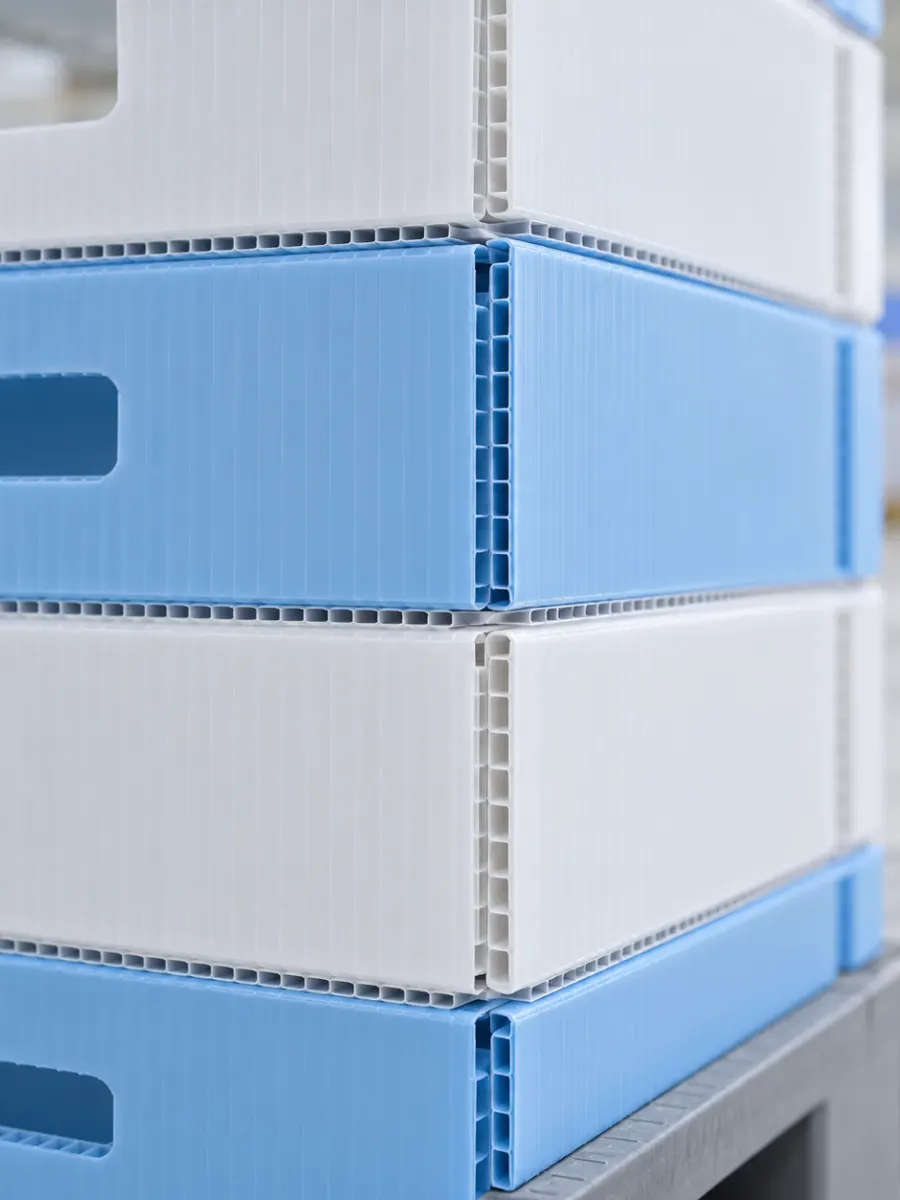
Protective and transport boxes
Fluted plastic boxesTransport packaging
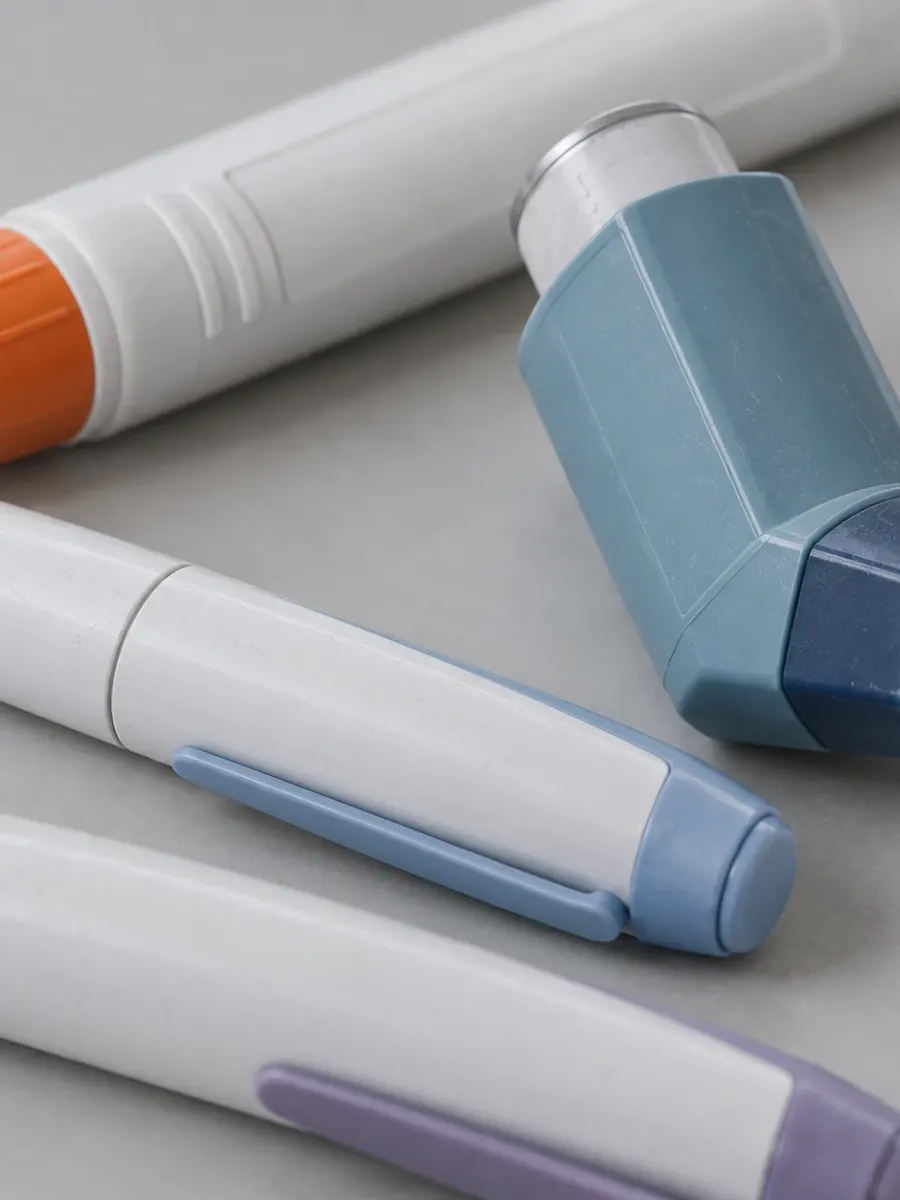
Drug-delivery devices
Insulin pensAuto-injectorsInhalers
From the filling line to regranulate
Resourcify connects every step between your production lines and the recycler. We coordinate waste handlers, logistics and recycling partners for each packaging stream, while every bag, batch and document is tracked in our software. You see where your packaging is, how much there is and what it has become.
- Traceability
- Proof
Collected at the line
Nests, tubs, trays and boxes are separated by material where they arise, in bags and containers that fit your automation and handling rules. Each pick-up is requested in our software.
Kept separate and traceable
Each stream travels as its own batch with weighing slips and documents, so any contamination can be traced back to its site and line.
Matched to tested recyclers
Recyclers are selected for each plastic through documented tests and criteria such as contamination, yield and recyclate quality.
Turned into regranulate
Input and output are balanced at every step, so you can show how much regranulate came from your packaging and where it was used.
Reported
Volumes, recovery rates and recycled-content figures roll up per site, stream and market, ready for packaging and sustainability reporting.
A site requests a collection. The contractor confirms a date. The weighing slip and invoice stay with the collection record.
 NW-0084
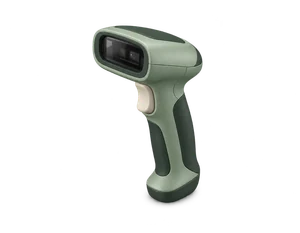
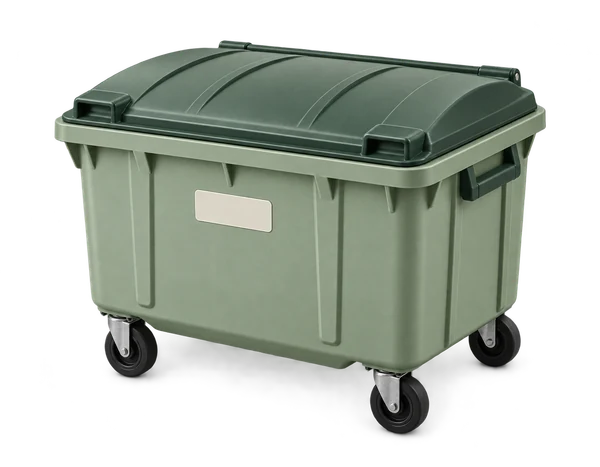
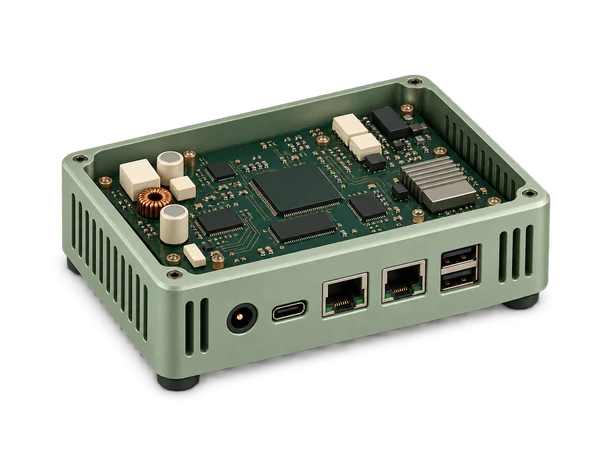
An illustrated physical delivery arrives at Northwind Hub. A desktop workstation identifies return NW-0084 through an item scan. A separate mobile route scans the QR on container CT-0084 to open Receive goods and the linked return. Either receiving method leads to the same confirmed 38 kg receipt in Electronics Return Bay, preserving the Munich origin and item identity. The scenes are simplified from the actual Goods-in, mobile Receive goods and Material Flow Board screens. All records are fictional.
Partners submit priced recovery offers and terms. Your team compares the line items and selects a combination for review. The fictional combined offer is 340 euros net; it is not automatically awarded.
A fictional electronics product line uses 60 tonnes of credited recycled material against 100 tonnes of production need: 40 tonnes of aluminium and 20 tonnes of steel. The report shows year comparisons, source batches, custody records and a PDF certificate containing scope, quantities, allocation and evidence. This is a simplified version of the product reporting and certificate workflow, using fictional data.
Two documents are matched to collection NW-1042. The collection, receipt and output retain their source records. Fictional figures show 2,400 kg received, 2,160 kg recovered and 240 kg recorded loss. Reports cover annual, waste, post-consumer and supply-chain areas, with a PowerPoint export for management presentations.
Simulate your programme before committing
Start from your production sites and packaging streams: how much arises where, which recyclers could take each plastic and how much volume they need per batch. Compare direct routes with consolidation hubs and see how volumes and distances change the business case before anything moves.
 Northwind · DemoNW
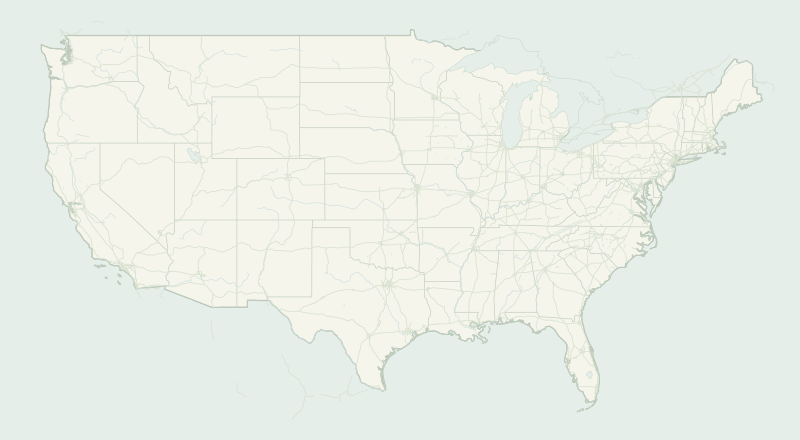
Put the whole return network on the map.
Find the partners that fit the material.
Compare direct routes with regional hubs.
Individual site collections
Consolidated recovery volumes
See when recovery starts to pay.
Illustrative copper scenario · transport and processing included
Map sites and a recovery partner, add a possible consolidation hub, compare the direct and hub routes, then review recovered value against the transport and processing assumptions.
- Sites, packaging streams and recyclers on one map
- Direct routes compared with consolidation hubs
- Recovered value against transport and processing costs
Get ahead of growing expectations for circularity in pharma
Packaging rules, healthcare buyers and investors increasingly ask what happens to the materials your sites and products use. Resourcify helps you recover more packaging and devices, use recycled content where rules allow and build the traceable records that reporting requires. We are also a member of the Alliance to Zero, which works towards net-zero injection devices.
- Aug 2026PPWREU packaging rules apply directly. Secondary and transport packaging of medicines face recyclability and reuse targets from 2030; recycled-content targets do not apply where packaging protects the medicine’s quality.
- Nov 2026California SB 253Companies with over $1bn revenue doing business in California report Scope 1 and 2 emissions from 2026 and Scope 3 from 2027.
- Apr 2027NHS supplier roadmapNHS suppliers publicly report their emissions and a carbon reduction plan covering Scope 1 to 3.
- FY 2027CSRDCompanies with more than 1,000 employees and €450m turnover report sustainability data for financial years from 2027; first reports in 2028.
- Dec 2028Wastewater producer responsibilityPharmaceutical producers are due to fund at least 80% of the cost of removing micropollutants from urban wastewater, though the EU’s top court is still ruling on it.
Immediate packaging of medicines is largely exempt from the PPWR’s recycled-content and recyclability rules for now, so the nearest lever is secondary, transport and production packaging.
Summary for orientation, not legal advice.
Start with one site and one packaging stream, then scale on the same setup
- Today
Exploration
We choose the first site and packaging streams with you and look at what is collected today and how much.
- Next
Simulation
Your recovery route mapped end to end: partners, material flows, batch sizes and the business case, before anything moves.
- Then
Pilot and roll-out
A collection test at one site, then more streams, sites and markets on the same setup.
Questions pharma manufacturers ask us
How do you keep the material clean enough for recycling?
Each material is collected separately where it arises, often in sealed inner bags, and each batch keeps its site and line information. When foreign material turns up, such as gloves or the wrong plastic, it is photographed, logged and traced back to the step where it entered, so the site can fix the cause. Recyclers are tested against agreed checks, such as flake size and residues, before they take on a stream.
Will collection work with our automated lines and hygiene rules?
We design the set-up with your site teams around what the line already does, including the bags or containers your equipment accepts and whether anyone can handle material by hand. If a robot only accepts one bag type, or no operator works in the area, that becomes a design constraint. Options are tested in a small pilot before anything is rolled out.
Our nests and tubs are classed as waste. Does that change anything?
It affects where the material can be stored and who may move it; a logistics warehouse that only handles materials may not accept it. We plan storage and transport around that classification with your waste and quality teams.
Do all our packaging items need the same level of tracking?
Not necessarily. Items that go back into cleanroom processes usually need full batch documentation, while trays, boxes or pallets can often run on a lighter set-up. We agree the level for each material with you and your packaging supplier, so you only document what you need.
How long does it take to collect enough material for a recycling run?
It depends on your volumes, the recycler’s minimum batch and how much recycled content you are aiming for. A single site can take several months to fill one batch; a lower recycled-content target or pooling several sites shortens that. We work out batch sizes and collection periods with you before the pilot starts.
Who pays whom, and who owns the material?
We put this in writing at the start: who owns the material at each stage, who pays for collection and processing, and how any value from the recovered material is shared. We can also help design a model in which your packaging supplier contributes, for example by buying back qualified material.
Can patients return used pens and inhalers?
Yes, typically through pharmacies, starting in one country. Devices often come back with medicine left in them, which affects how they are classified and handled, and they mix several plastics and metals. We design the collection route, the sorting and the recovery partners around that, and keep each company’s data separate when several manufacturers share one scheme.
Our supplier already offers take-back. Why do more?
A simple take-back can be the right choice when you only need the material recycled. A documented programme is worth considering when you need to show where the material went, what quality came out and how much can count towards recycled content in your own packaging. We can compare both with you, including cost and effort, before you decide.
Bring one packaging stream, and we’ll sketch its recovery route.
In the first conversation we look at one site and packaging stream and outline the recovery route, the partners and what a simulation would answer.