Circularity as an industrial strategy: the Critical Raw Materials Act (CRMA)
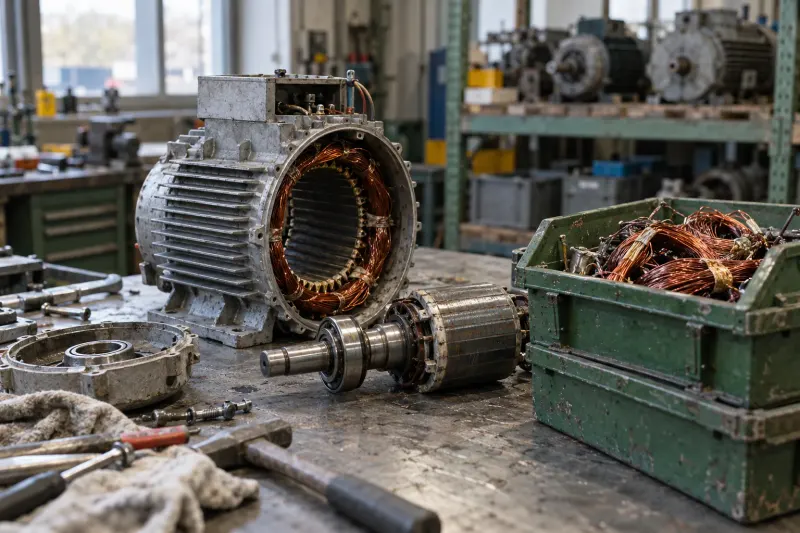
How the EU Critical Raw Materials Act (CRMA) is reshaping how manufacturers think about supply chain resilience, material recovery and circularity.
The thinking behind your next circular move
Articles, guides and research for better decisions about materials. Find the perspective that fits your industry and the work ahead.
Explore the collectionA good place to start
How businesses keep materials in use and create new opportunities for take-back and recycling.
Read the articleFor your next decision
32 resources · Page 1 / 4
How the EU Critical Raw Materials Act (CRMA) is reshaping how manufacturers think about supply chain resilience, material recovery and circularity.
How can businesses actually measure circularity in practice? We explore the Global Circularity Protocol (GCP), operational material flows, circularity KPIs and why AI-powered systems are becoming essential for scalable circularity measurement.
Prepare waste data for ESRS E5 with clear boundaries, consistent treatment categories and traceable evidence. Includes the 2026 CSRD scope changes.
Circularity is evolving in automotive. The updated EU ELV regulation introduces new recycled content targets and operational challenges across material flows.
Explore how take-back, reuse and recycling can reduce exposure to raw material volatility, and what to check before investing in a circular supply chain.
Connect waste records, costs and collection data to identify practical improvements. Learn what to measure before rolling out digital waste management.
Discover how sustainability drives employee retention, fosters purpose, and transforms workplace culture. Learn why aligning values with action is the key to loyalty.
Compare the purpose of GRI, ESRS and ISSB standards, identify your reporting needs and build a reliable evidence base for sustainability disclosures.
Connect applicable obligations, site responsibilities and waste evidence. Learn how digital records support compliance without replacing expert judgement.
Waste-to-energy incineration is an increasingly popular waste disposal method throughout the EU but at what cost? This article looks at trends, changes in regulations and how this may impact businesses.
Understand the European Union's Right To Repair proposal and how it will shape circularity in Europe.
Learn what it means to be a zero-waste business and how you can begin the journey in seven easy steps.
Learn what the circular economy is and five common circular economy myths that may hinder your business progress.
Separate the pending Green Claims proposal from EU consumer rules applying since September 2026, and learn how to substantiate environmental claims.
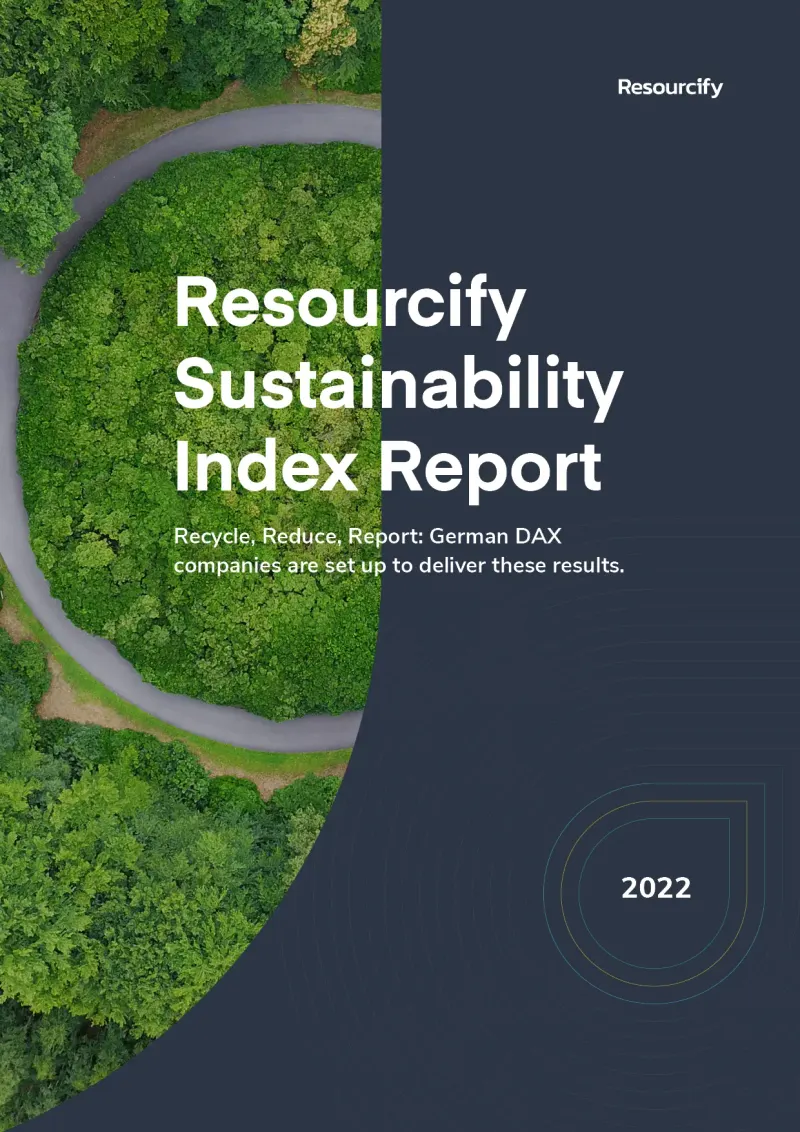
How have the DAX companies performed in terms of circular economy and recycling? The Resourcify Sustainability Index Report 2023 will show you.
Assess the costs and benefits of reuse, repair and material recovery with a business case that includes logistics, quality, investment and real demand.
A practical starting point for retail teams improving packaging, collection and recovery, with current PPWR context and measurable operational priorities.
There are a many ways a business can integrate circularity. From getting started to real-world examples, this blog post makes a circular economy possible.
There are numerous benefits for businesses when it comes to a circular economy from financial advantages and finding value in waste
Give sustainability work clear ownership, an evidence-based business case and useful metrics so teams can translate strategy into everyday decisions.
Circular economy is trending. As companies aim to be green, looking at waste is vital. A complex system feeds into its generation and must be studied.
There are a variety of misconceptions related to zero-waste. In this debunking journey, major myths are tackled to clear up the air about zero-waste.
Reduce costs, reduce waste, increase recycling rates - these are the goals of successful waste management. Here are 5 tips for optimisation.
Understand EPR roles, packaging responsibilities and the operational data needed to manage take-back programmes across products and markets.
The circular economy needs new metrics. That is why the measure of circularity is becoming the better recycling rate for waste management.
Explore the historical 2022 analysis of waste and recycling disclosures from 40 DAX companies, with context on its methodology and limitations.
Build a sustainability strategy around clear priorities, reliable data, better material recovery and measurable progress across your organisation.
Good waste management protects the environment, your business reputation & your bottom line. To track & optimise your recycling, you need these 5 metrics.
A compact reference from the original CSRD preparation series.
A closer look at business priorities, waste management and the challenges of putting circularity into practice.
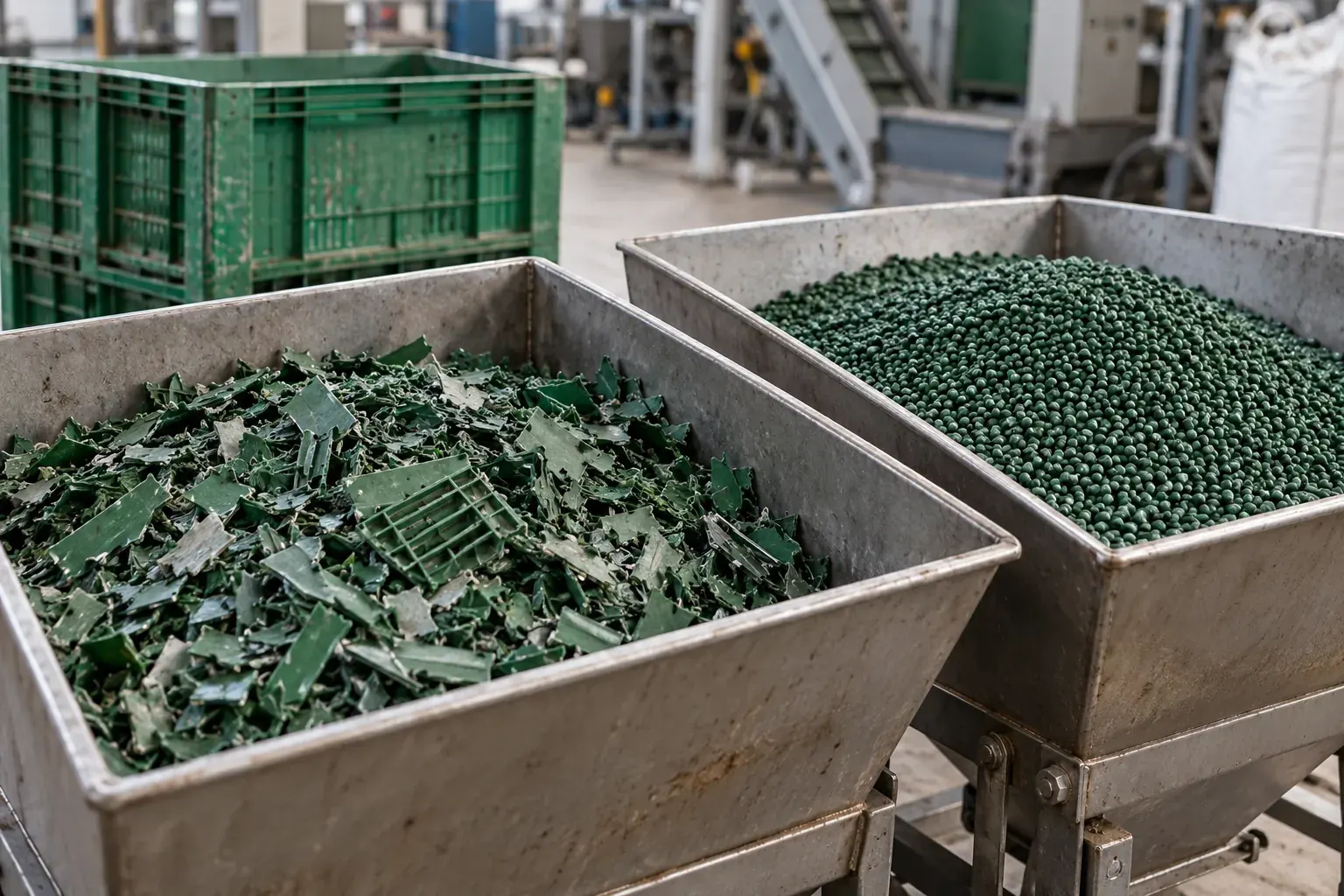
Explore the processes, materials and decisions that shape recycling in manufacturing.
Practical thinking on waste management, recycling rates and circular initiatives for retail teams.
Try another combination or explore the full collection.